
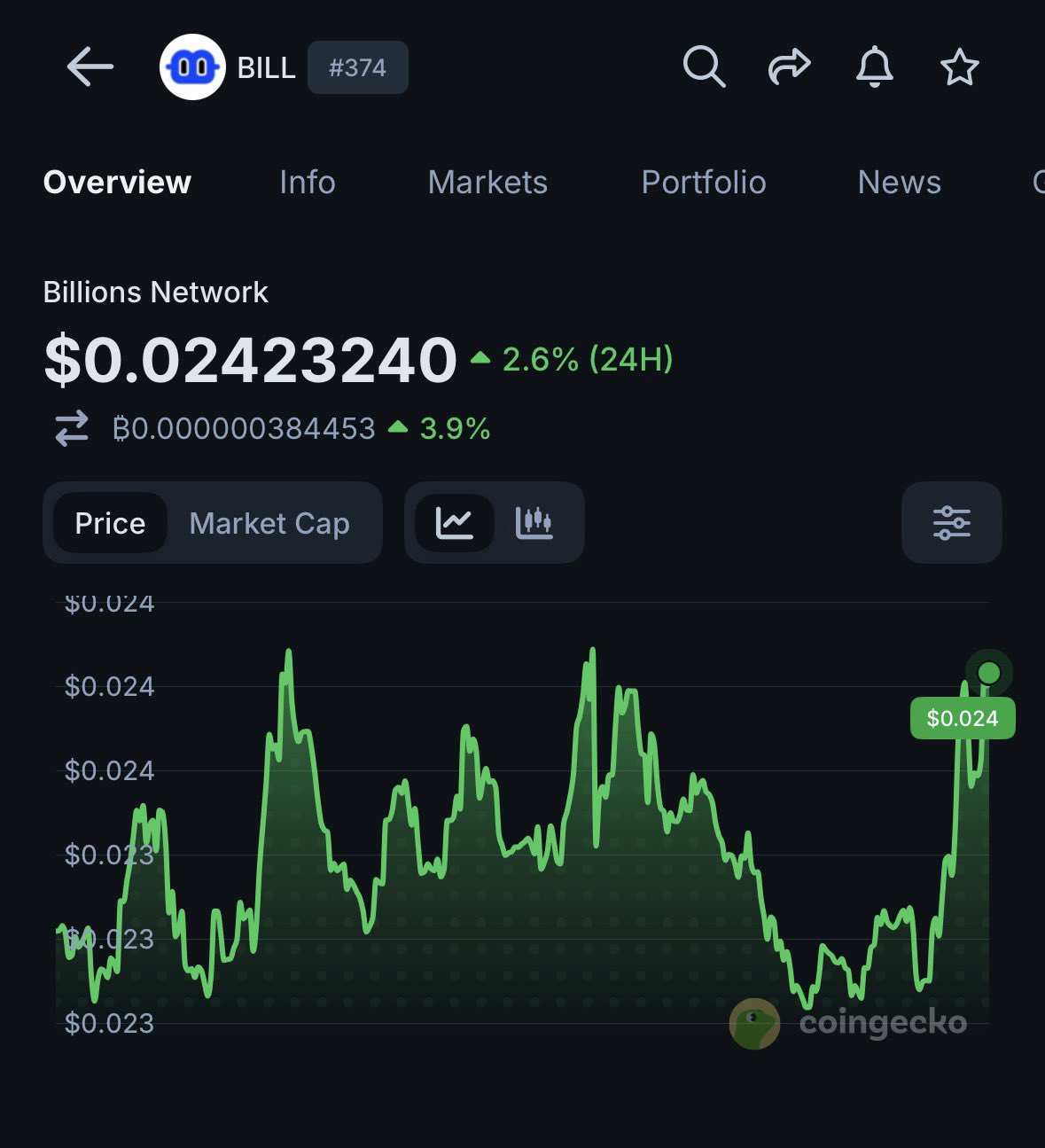
62 Days to $BILL unlock:
What’s the value of your Billions Network Vested Token?
Mine is $200 now. https://t.co/Z1TlXIwnmw


 7.5K @uthman_adeniji
 62 Days to $BILL unlock:
What’s the value of your Billions Network Vested Token?
Mine is $200 now. https://t.co/Z1TlXIwnmw
 2
2
 0
0
 97
97
 54.0K @badattrading_
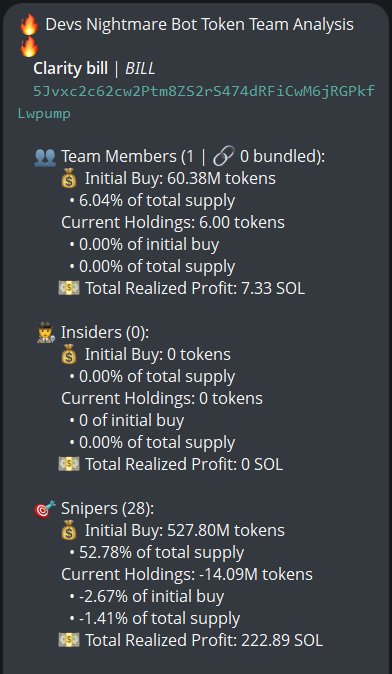
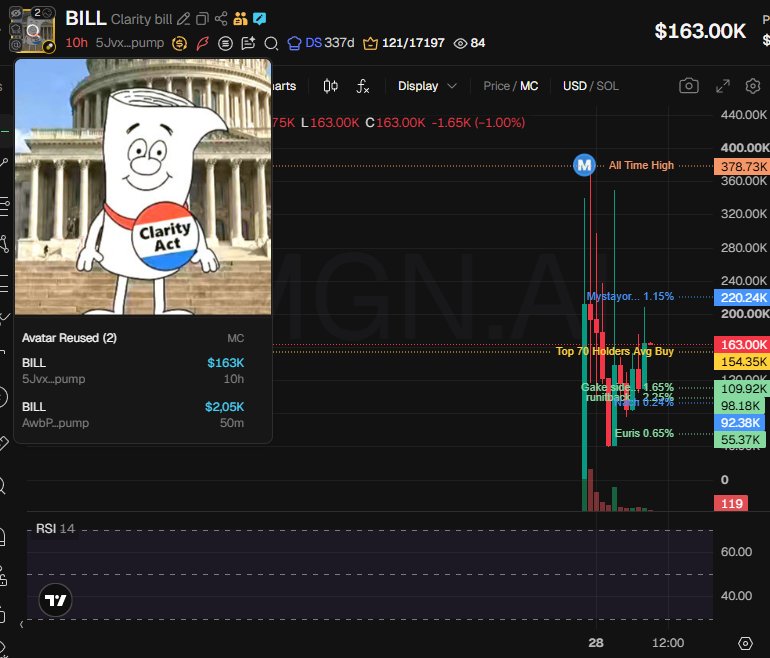
 $BILL (CA 5Jvxc2c62cw2Ptm8ZS2rS474dRFiCwM6jRGPkfLwpump) doesn't have snipers and insiders per devsnightmare. cjuggz, iboughtdips, bizz, Gake, Qbitbit, runitbackghost, magnets.sol, Mystayor 兽 💹🧲, lacoste, Ansem Whale, CryptoHood55 are top holders.
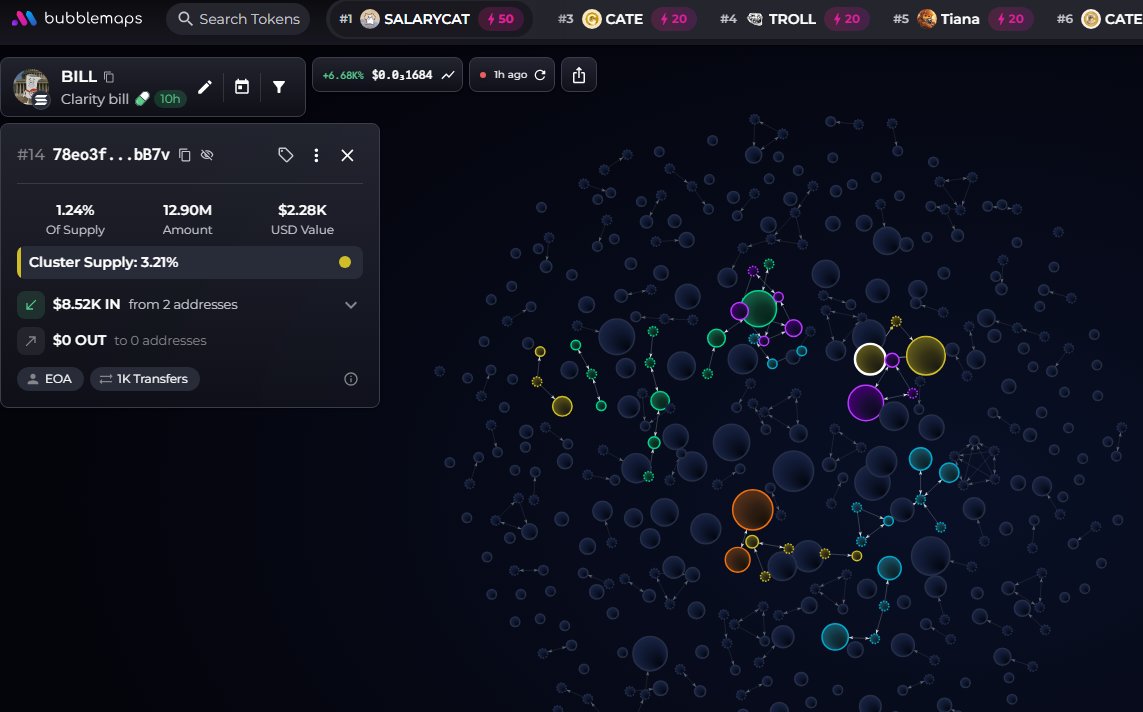
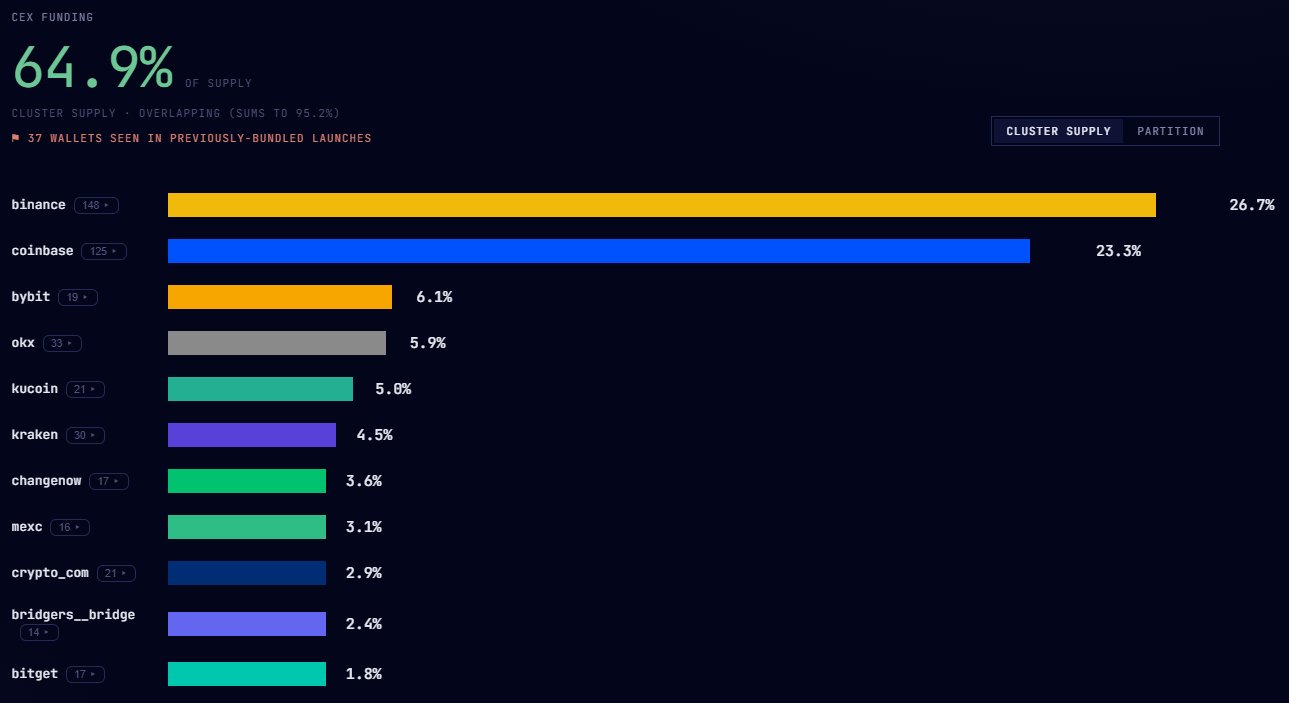
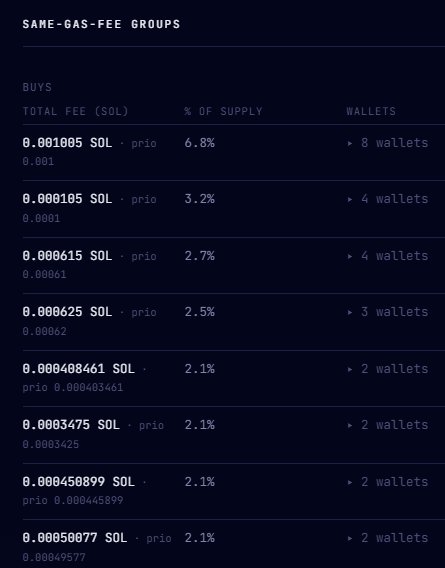
A cluster has 3.2% on the bubblemap, another has 2.9%. CEX cluster has 64.9%, Binance funded wallets have 26.7%, Coinbase 23.3%, Bybit 6.1%, OKX 5.9%, Kucoin 5%, Kraken 4.5%, Change Now 3.6%, Mexc 3.1%, Cryptocom 2.9%, Bitget 1.8%.
Top 10 holders have 18.7%, 1.4k holders with an average bag at $115. Nfa
 54.0K @badattrading_
 No hidden clusters in that one https://t.co/Hw3FKReOoz
 20
5
9.6K
20
5
9.6K
 50.3K @yueya_eth
 The most overlooked aspects in a bear market are often the projects that continue to forge ahead.
$bill price fell from $0.2 to $0.02, and market sentiment has already been worn down, but @billions_ntwk's listing on @RobinhoodApp at least shows the project hasn't stopped.
More overseas users can now directly see and trade $BILL, and the price rose after the news.
The upcoming investment on Kaito is also about to unlock, hoping the price holds!
 1.2M @RobinhoodApp
 New asset now available to trade on Robinhood Crypto.
$BILL (Billians Network) https://t.co/OQy8Budl6H
 35
31
4.6K
35
31
4.6K