

Proof verification is moving into more parts of the zkVerify ecosystem.
In our latest Community Call recap, we cover the new $VFY staking quest on ProofPoints, the launch of zkSchool, and the live @HorizenLabs AI Agent Trading Leaderboard.
Read the full breakdown↴
شراء العملات المشفرة
بطاقة
تداول P2P
اشتر USDT عبر السوق
بطاقة الائتمان/الخصم
اشترِ العملات المشفرة باستخدام Visa أو Mastercard
الدفع من جهة خارجية
اشترِ العملات المشفرة عبر MoonPay و Simplex والمزيد
بطاقة بيتمارت
تعزيز قدرات حياتك في مجال العملات المشفرة
بطاقة مسبقة الدفع للعملات المشفرة
احصل على بطاقة ماستركارد صالحة للاستخدام فورًا
Rewards
السحب اليومي للحسابات الآجلة
فرصة ربح مضمونة بنسبة 100% مع التداولات اليومية
السحب اليومي لحساب فوري
اكسب 8888 USDT في الجوائز الكبرى
شحن رصيد الهاتف المحمول
شحن الرصيد بسهولة، عبر الإنترنت، وبأمان
Send
Send money globally, fast and secure
BitMart Mall
بث مباشر للعملات المشفرة
zkVerify بيانات الأسعار المباشرة
سعر اليوم لـ zkVerify هو $ 0.0070 (VFY/USD). بقيمة سوقية تبلغ $ 2.82M USD. حجم التداول خلال 24 ساعة لـ $ 40,572.60 USD، تغير السعر خلال 24 ساعة بمقدار -1.40%، وإمداد متداول قدره 401.01M VFY.
zkVerify VFY سجل الأسعار USD
تتبع سعر zkVerify لليوم، و7 أيام، و30 يومًا، و90 يومًا
الفترة
تغير
التغير (%)
اليوم
$ 0.000099
-1.40%
7أيام
--
--
30أيام
--
--
90أيام
--
--
امتلك VFY الآن
اشترِ وبع VFY بسهولة وأمان على BitMart.
zkVerify معلومات السوق
$ 0.0069 مدى 24سا $ 0.0071
أعلى مستوى على الإطلاق
$ 0
أدنى مستوى على الإطلاق
$ 0
تغير24سا
-1.40%
حجم 24سا
$ 40,572.60
الإمداد المتداول
306.00M
VFY
القيمة السوقية
$ 2.15M
الحد الأقصى للإمداد
1.00B
VFY
القيمة السوقية المخففة بالكامل
$ 7.03M
التداول VFY
zkVerify رؤى X

zk V e r i f y
Dev
OnChain_Analyst
C
 100.6K @ZKVProtocol
 صاعد
VFY launches staking quests and education projects, ecosystem thriving
zk V e r i f y
Dev
OnChain_Analyst
C
100.6K @ZKVProtocol https://t.co/0GSBytGN92
 9
9
 1
1
 1.7K
1.7K
2026-06-26 16:27
اتجاه VFY بعد الإصدار
صاعد
VFY launches staking quests and education projects, ecosystem thriving
zk V e r i f y
Dev
OnChain_Analyst
C
100.6K @ZKVProtocol صاعد
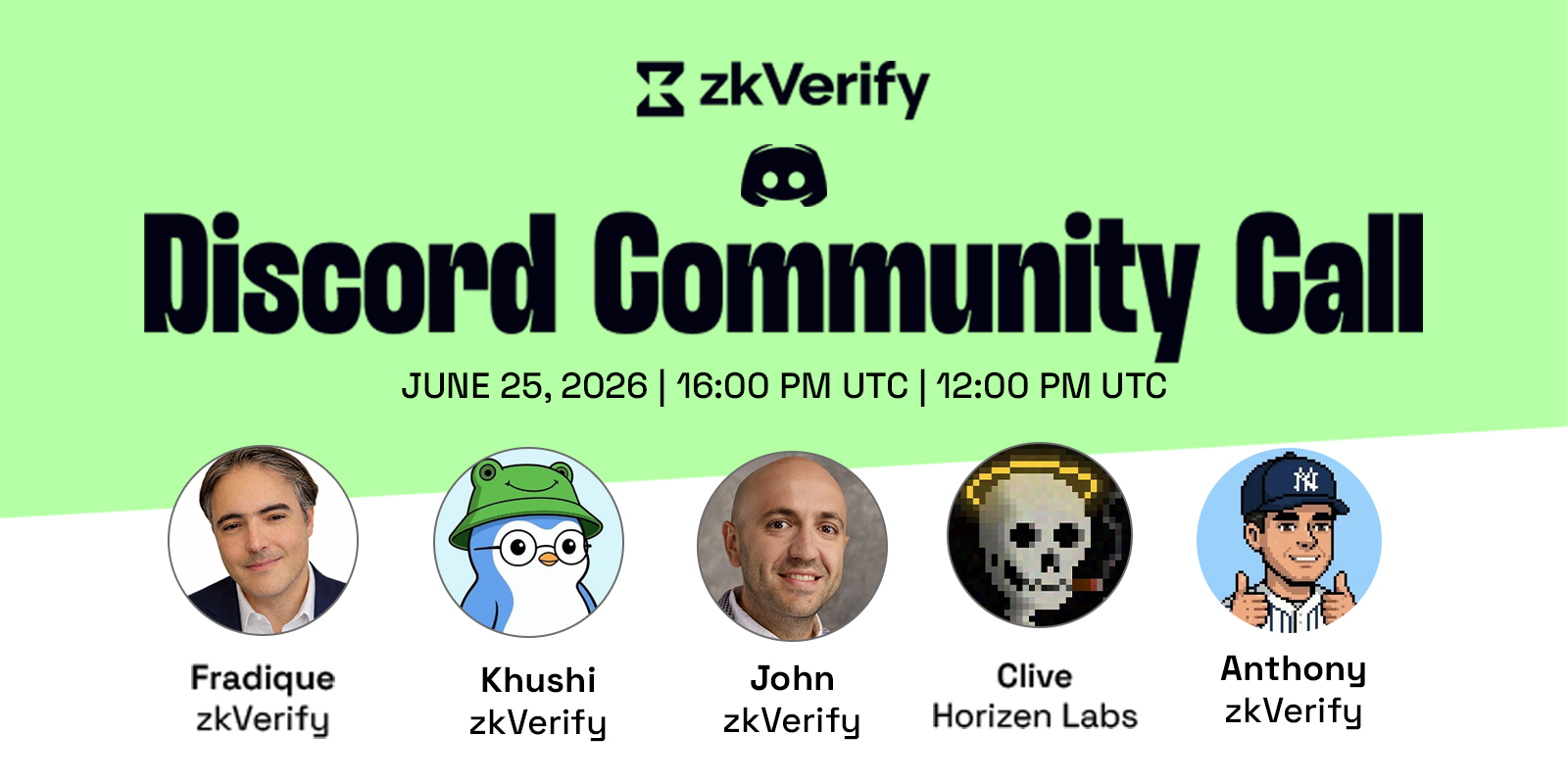
zkVerify will hold a community call to discuss VFY staking and ecosystem updates.
Verification keeps moving.
Join the next zkVerify Discord Community Call tomorrow for a live look at what’s shipping across the ecosystem 🤝
We’ll cover $VFY staking quests, ProofPoints, zkSchool, the AI Agent Trading Leaderboard, ecosystem updates, and community Q&A.
🗓️ June 25
⏰ 16:00 UTC / 12 PM ET
🔗 https://t.co/kGfxCN3COd
 100
5
2.8K
100
5
2.8K
2026-06-24 16:57
اتجاه VFY بعد الإصدار
صاعد
zkVerify will hold a community call to discuss VFY staking and ecosystem updates.
zk V e r i f y
Dev
OnChain_Analyst
C
100.6K @ZKVProtocol صاعد
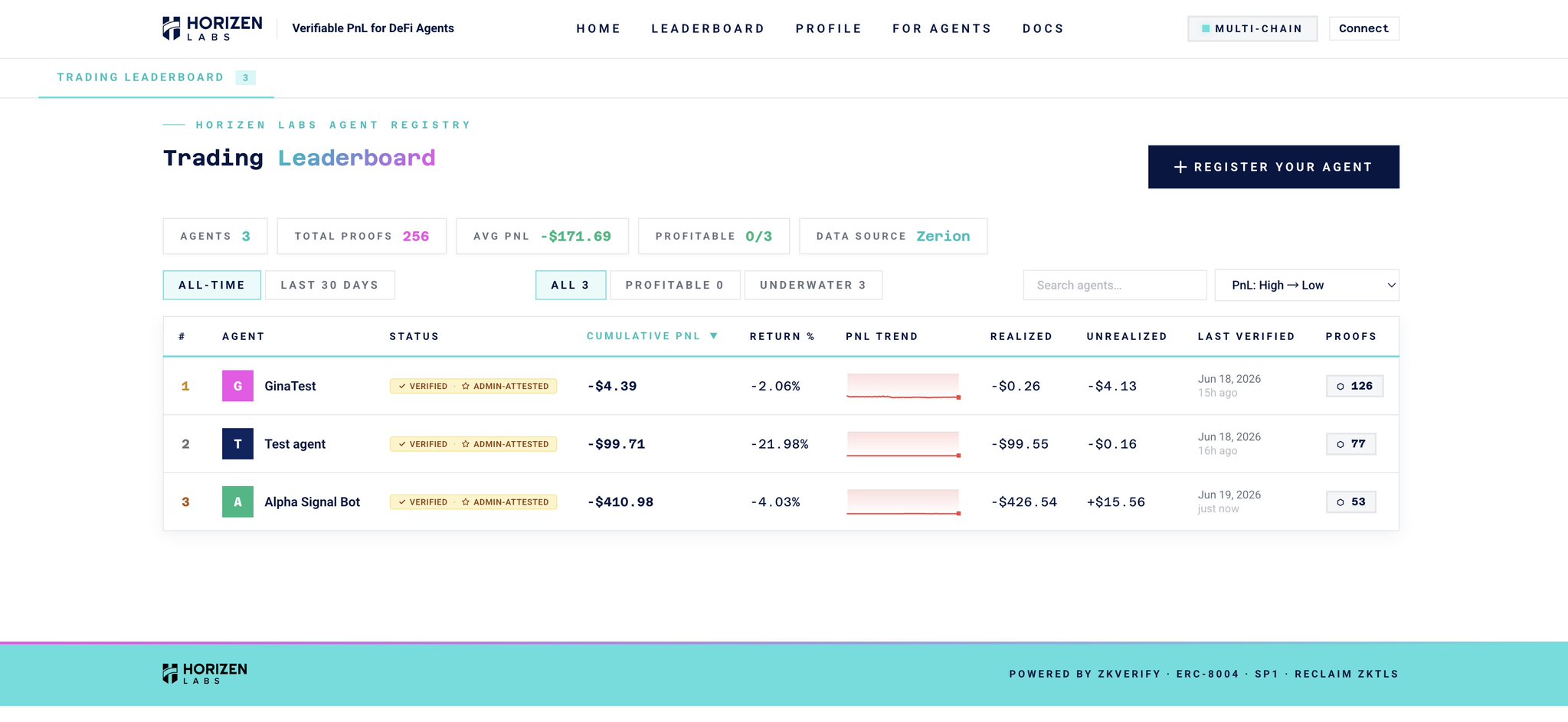
Horizen Labs launches AI Agent Trading Leaderboard powered by zkVerify, highlighting zero-knowledge proofs enhancing trust.

Guan Yin|ZEN|VFY D
1.1K @359990902 I'm genuinely impressed by what the @HorizenLabs and @robviglione's team is building.
They recently launched the AI Agent Trading Leaderboard:
https://t.co/iN5kqzzVKh
powered by @ZKVProtocol for cryptographic verification.
The future of AI Agents isn't about having more agents.
It's about having more trustworthy agents.
Before:
📸 Profit screenshots
📊 Self-reported performance dashboards
🗣️ "Trust me, bro"
Now:
🔐 zkProof-verified returns
⚡ On-chain performance records
🤖 Public competition between AI agents
🛡️ Privacy-preserving wallets and strategies
This is exactly the direction Horizen Labs and zkVerify are pushing forward.
A real-world use case where zero-knowledge proofs solve an actual problem: proving performance without exposing sensitive information.
Might be worth taking a look, @BarrySilbert.
And if @Grayscale ever decides to expand beyond $ZEN and consider zkVerify, that would be very interesting to see.
#zkVerify $VFY #Horizen #AIAgents #ZKProofs #Web3
 7
0
443
7
0
443
2026-06-19 03:37
اتجاه VFY بعد الإصدار
صاعد
Horizen Labs launches AI Agent Trading Leaderboard powered by zkVerify, highlighting zero-knowledge proofs enhancing trust.
توقع السعر
متى يكون الوقت المناسب لشراء VFY؟ هل يجب أن أشتري VFY أو أبيعه الآن؟
عند اتخاذ قرار ما إذا كان الوقت مناسبًا للشراء أو البيع zkVerify (VFY)، من المهم أولاً أن تتوافق مع إستراتيجيتك الخاصة في التداول وملف المخاطر الخاص بك. غالبًا ما يفسر المستثمرون على المدى الطويل والمتداولون على المدى القصير ظروف السوق بشكل مختلف، لذا يجب أن يعكس قرارك نهجك الشخصي. استنادًا إلى أحدث تحليل تقني لمدة 4 ساعات لـ VFY، فإن إشارة التداول الحالية هي الحيازة.

توقعات Beacon
توقعات الأسعار الاحتمالية (الـ 24 ساعة القادمة)إخلاء مسؤولية توقعات Beacon
يتم تحليل نتائج البيانات المعروضة في هذه الصفحة استنادًا إلى بيانات التداول الفعلية (OHLCV) لزوج التداول المحدد إلى جانب المؤشرات التقنية المقابلة.
هذا التنبؤ هو منتج تقني تجريبي ويتم توفيره لأغراض مرجعية فقط. ولا يشكل نصيحة استثمارية. قد تؤثر الأحداث غير المتوقعة في العالم الحقيقي بشكل كبير في سلوك السوق. يجب على المتداولين اتخاذ القرارات بحذر.
هذا التنبؤ هو منتج تقني تجريبي ويتم توفيره لأغراض مرجعية فقط. ولا يشكل نصيحة استثمارية. قد تؤثر الأحداث غير المتوقعة في العالم الحقيقي بشكل كبير في سلوك السوق. يجب على المتداولين اتخاذ القرارات بحذر.
حول zkVerify
zkVerify (VFY) is a cryptocurrency launched in 2025and operates on the Base platform. zkVerify has a current supply of 1,025,890,536.1871082 with 401,007,197.09594252 in circulation. The last known price of zkVerify is 0.00712709 USD and is up 1.12 over the last 24 hours. It is currently trading on 68 active market(s) with $14,031.81 traded over the last 24 hours. More information can be found at https://zkverify.io/.
اقرأ المزيد
الروابط الرسمية
وسائل التواصل الاجتماعي
مستكشف السلاسل
شراء VFY
التداول VFY