Leaders in decentralized privacy are foundational bets.
But the real asymmetric upside?
It usually forms in challengers attacking bottlenecks.
Which ones are setting up for the next 10× run?👇
→ $XMR vs $ZANO
→ $FIRO vs $ARRR
→ $ZEC vs $DUSK
🟢 $XMR vs $ZANO
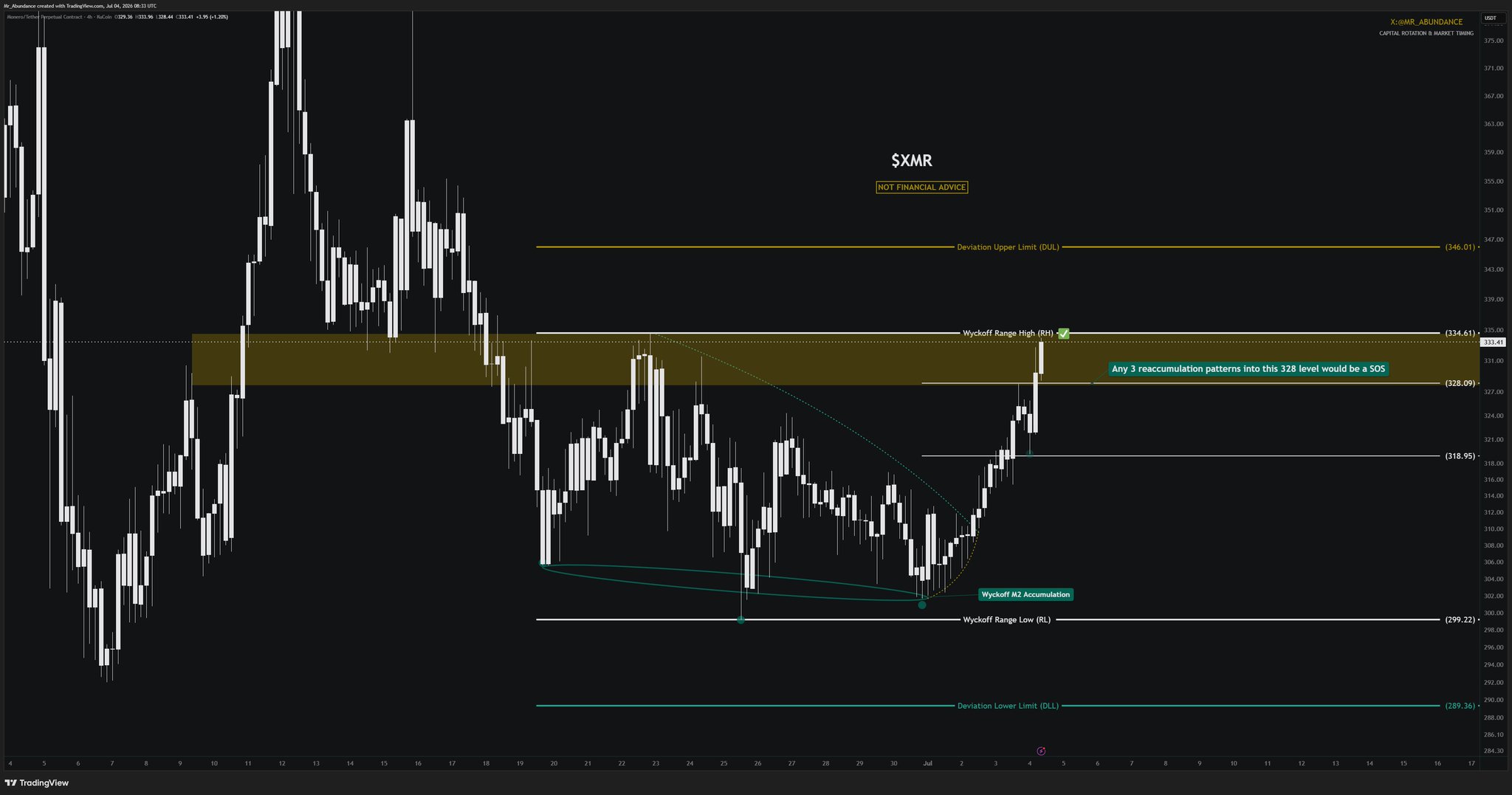
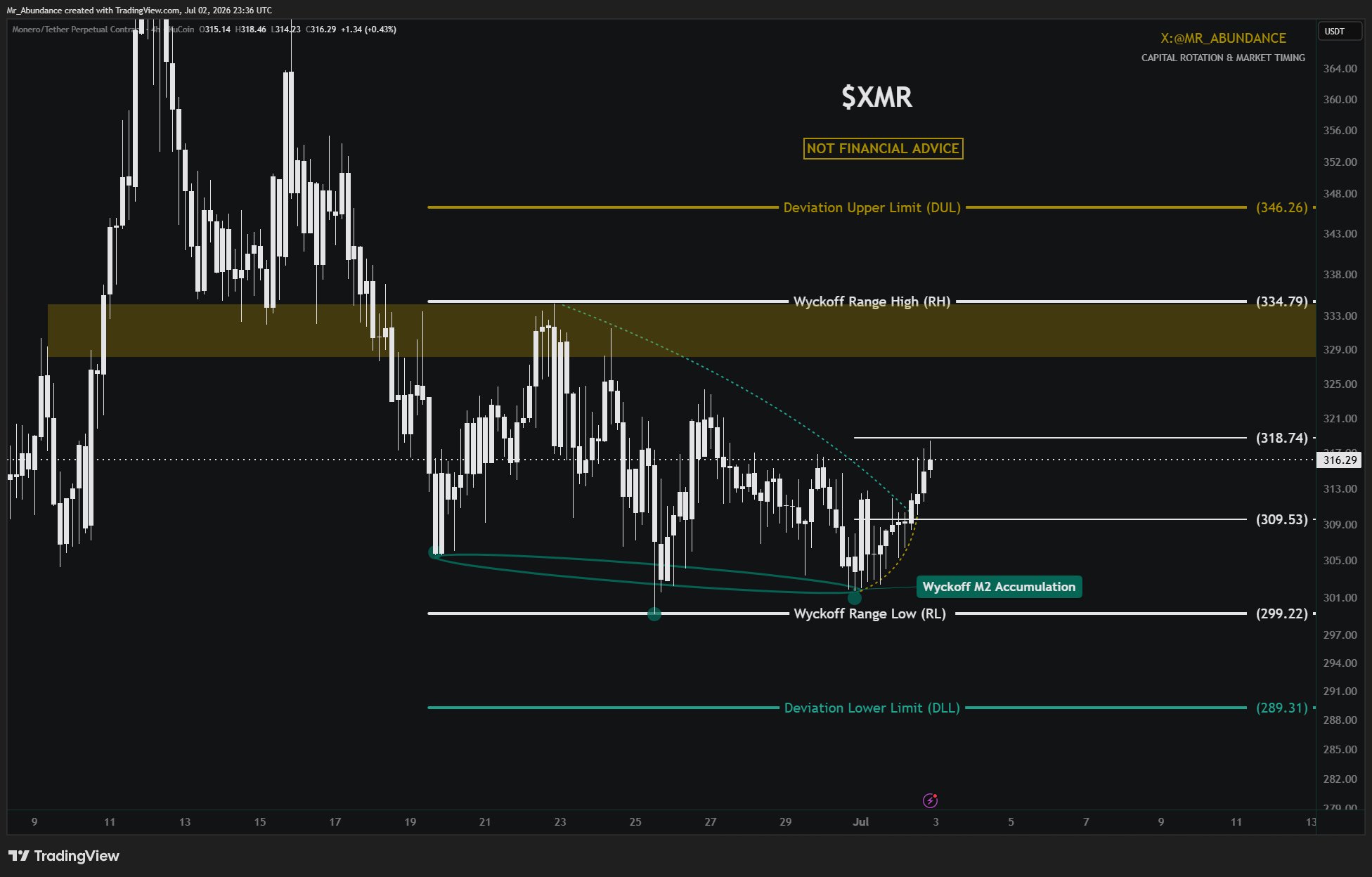
✦ Monero ( $XMR ): the OG of decentralized privacy money
This is not just another privacy token.
It is the benchmark for private digital cash.
☞ Vision: Build untraceable, fungible money that works by default.
☞ Original Idea: Use CryptoNote-based privacy to hide transaction trails.
☞ Tech Stack: Ring signatures, stealth addresses, RingCT, RandomX, Dandelion++.
☞ Evolution: From early privacy experiment into the dominant private payments network.
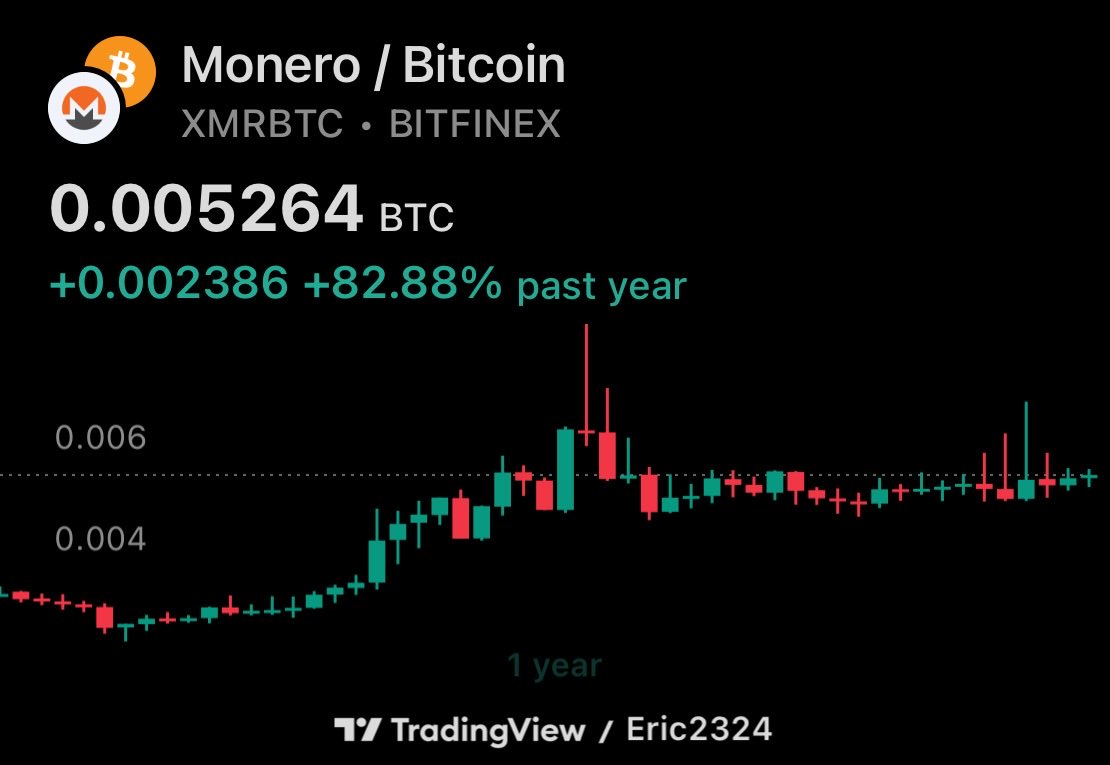
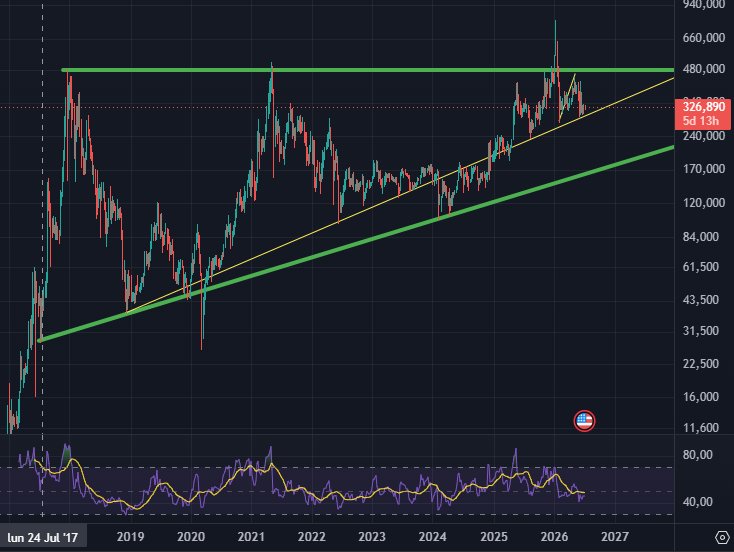
☞ Recent Behavior: Resilient demand despite delistings, active upgrades, and renewed privacy demand.
Monero shows privacy coins are not just tools.
They are censorship-resistant financial systems.
$XMR consolidates:
→ Sender privacy
→ Receiver privacy
→ Amount hiding
→ Network-layer protection
→ Fungibility by design
Its architecture covers the full transaction lifecycle.
Privacy is not optional.
It is the default.
Adoption signals:
→ Sustained demand after delistings
→ Strong real-world usage
→ Active protocol development
→ Continued relevance under regulatory pressure
$XMR is positioning itself as the base layer where private value transfer is created, protected, and scaled.
✦ Zano ( $ZANO ) is the direct challenger.
Vision: Make privacy scalable, programmable, and asset-friendly.
☞ Original Idea: Build a privacy-first L1 for more than payments.
☞ Tech Stack: Hybrid PoW/PoS, Zarcanum, confidential assets, stealth addresses, Bulletproofs+.
☞ Evolution: Rapid growth after Zarcanum and confidential asset support.
☞ Recent Behavior: Strong market momentum, bridges, spending integrations, and private dApp focus.
Zano shows scaling privacy is really about scaling private economies.
Instead of stopping at private cash, it targets the bigger bottleneck:
Limited functionality in privacy chains.
Every serious privacy economy eventually needs:
→ Private assets
→ Private staking
→ Private tokens
→ Private applications
→ Confidential financial activity
Zano flips the model:
→ Mandatory privacy by default
→ Private multi-asset support
→ Private PoS with encrypted staking
→ Programmable privacy infrastructure
This matters.
Because in a real privacy economy, “private everything” is not optional.
It is the default state.
Traction drivers:
→ Confidential asset adoption
→ Strong builder momentum
→ Clear private L1 narrative
→ Better scalability than payment-only privacy coins
Setup:
$XMR → Private money by default
$ZANO → Private economy with assets and staking
Interpretation:
XMR builds the private cash standard.
ZANO makes privacy economically extensible at scale.
🟣 $FIRO vs $ARRR
✦ Firo ( $FIRO ): the OG of practical privacy
Firo pioneered one important idea:
Privacy should be strong, but still usable.
☞ Vision: Build practical, user-friendly, selectively auditable privacy.
☞ Original Idea: Move beyond early mixing with stronger trustless privacy.
☞ Tech Stack: Lelantus Spark, Spark addresses, view keys, Dandelion++, hybrid PoW, ChainLocks.
☞ Evolution: From Zcoin to Lelantus to Spark-based private infrastructure.
☞ Recent Behavior: Usability upgrades, quantum resistance research, and compliant privacy rails.
Firo shows privacy can become an economic primitive.
Through Lelantus Spark, users can:
→ Hide sender details
→ Hide receiver details
→ Hide transaction amounts
→ Share proofs when needed
→ Use selective disclosure for audits
This transforms privacy from a niche feature into usable infrastructure.
Core stack:
• Advanced zk privacy layer
• Selective disclosure rails
• Private token issuance
• Practical user-facing privacy
The result:
→ Strong anonymity
→ Real-world usability
→ Better audit flexibility
→ More compliance-friendly privacy
Firo does not just protect transactions.
It makes privacy easier to use in real economic environments.
✦ Pirate Chain ( $ARRR ): the challenger
Vision: Build the most anonymous cryptocurrency possible.
☞ Original Idea: Fork Zcash-style privacy, but remove transparent transactions.
☞ Tech Stack: Mandatory zk-SNARKs, 100% shielded transactions, dPoW notarization.
☞ Evolution: Growing focus on light wallets and Orchard upgrade development.
☞ Recent Behavior: Community-led growth, BTCPay integrations, dVPN usage, and privacy-maximalist traction.
Pirate Chain shows private transactions do not just need to exist.
They need to be enforced.
Because once privacy matters, users need:
→ No transparent option
→ No accidental leaks
→ Maximum anonymity set
→ Strong default protection
ARRR is built around one core idea:
Privacy should never be optional.
Key components:
• 100% shielded transactions
• zk-SNARKs enforced network-wide
• Large anonymity set
• dPoW security layer
Instead of asking:
“How do we add privacy?”
Pirate Chain asks:
“How do we make privacy absolute?”
Adoption vectors:
→ Privacy-maximalist community
→ High-privacy use cases
→ Growing payment integrations
→ Mandatory shielded transfers
Setup:
$FIRO → Practical privacy with selective disclosure
$ARRR → Maximum privacy with enforced anonymity
Interpretation:
Firo creates usable private economies.
ARRR creates uncompromising private transactions.
🟡 $ZEC vs $DUSK
✦ Zcash ( $ZEC ): the OG of verifiable privacy infrastructure
Zcash pioneered production-grade zk privacy.
It proved cryptographic privacy could work at scale.
☞ Vision: Provide cryptographically proven private value transfer.
☞ Original Idea: Bring zk-SNARKs to a Bitcoin-like chain.
☞ Tech Stack: zk-SNARKs, Orchard shielded pool, Halo 2, privacy tooling, cross-chain integrations.
☞ Evolution: From private payments to broader privacy infrastructure.
☞ Recent Behavior: Shielded pool growth, institutional interest, DeFi integrations, and stronger zk relevance.
Zcash shows better privacy starts with better cryptography.
The shielded pool enables:
• Verifiable private transactions
• Cryptographic privacy
• Stronger transaction confidentiality
• Growing private DeFi potential
Originally built for private cash, ZEC has expanded into a broader privacy infrastructure layer.
Adoption signals:
→ Shielded pool expansion
→ Institutional interest
→ DeFi integrations
→ Strong zero-knowledge narrative fit
ZEC is positioning itself as the truth layer for private finance.
It does not just hide activity.
It proves transactions are valid without exposing sensitive data.
✦ Dusk Network ( $DUSK ): the challenger
Vision: Build regulated private finance with confidential smart contracts and RWAs.
☞ Original Idea: Make compliance and confidentiality coexist natively.
☞ Tech Stack: SBA consensus, DuskEVM, DuskVM, Phoenix model, selective disclosure.
☞ Evolution: From privacy research to private smart contracts and RWA tokenization.
☞ Recent Behavior: RWA traction, DuskEVM adoption, institutional DeFi focus, and private finance growth.
Dusk shows the future is not only private payments.
It is private financial systems.
Through its privacy-preserving architecture, DUSK enables:
→ Confidential DeFi
→ Private RWAs
→ Auditable privacy
→ Regulated tokenization
→ Institutional-grade confidentiality
This is not about anonymous cash alone.
It is about private environments where institutions and users can interact without exposing everything on-chain.
Dusk targets the biggest bottleneck:
Regulated privacy infrastructure.
Setup:
$ZEC → Trusted zk privacy and verification
$DUSK → Regulated private environments and DeFi
Interpretation:
ZEC ensures privacy is cryptographically correct.
DUSK explores what happens when privacy scales to institutions.
🔚Quick breakdown
Privacy infrastructure
→ $XMR vs $ZANO
Privacy payments economy
→ $FIRO vs $ARRR
Privacy DeFi and environments
→ $ZEC vs $DUSK
Final take
The current leaders:
→ $XMR
→ $FIRO
→ $ZEC
Still define the core architecture of the privacy economy.
They provide:
• Battle-tested privacy primitives
• Strong anonymity models
• Trusted cryptographic foundations
• Proven demand across multiple cycles
But the challengers:
→ $ZANO
→ $ARRR
→ $DUSK
Are attacking the exact friction points slowing adoption.
→ Scalability and programmability
→ Absolute privacy guarantees
→ Regulated privacy for institutions
→ Private assets and private economies
These are not edge problems.
They are scaling constraints.