 Ondo (ONDO)
$0.3255 -0.91% 24H
- 55Soziale-Stimmungs-Index (SSI)+27.49% (24h)
- #104Marktimpuls-Ranking (MPR)+9
- 1324-St. in Social Media+62.50% (24h)
- 77%24 Std-Bullisch-Verhältnis11 aktive Meinungsbildner
- Zusammenfassung
- Bullische Signale
- Bärische Signale
Soziale-Stimmungs-Index (SSI)
- Daten insgesamt55SSI
- SSI-Trend (7-Tage)Preis (7 Tage)StimmungsverteilungExtrem bullisch (23%)Bullisch (54%)Neutral (15%)Bärisch (8%)SSI Einblicke
Marktimpuls-Ranking (MPR)
- Warnungseinblick
Beiträge auf X
 2xnmore FA_Analyst OnChain_Analyst B45.21K @2xnmore2xnmore FA_Analyst OnChain_Analyst B45.21K @2xnmore63 7 4.51K Original lesen >Trend von ONDO nach VeröffentlichungBullisch
 Crypto Solutions 🕊️ Founder DeFi_Expert C40.00K @creptosolutions
 CoinMarketCap Media Researcher D7.12M @CoinMarketCap
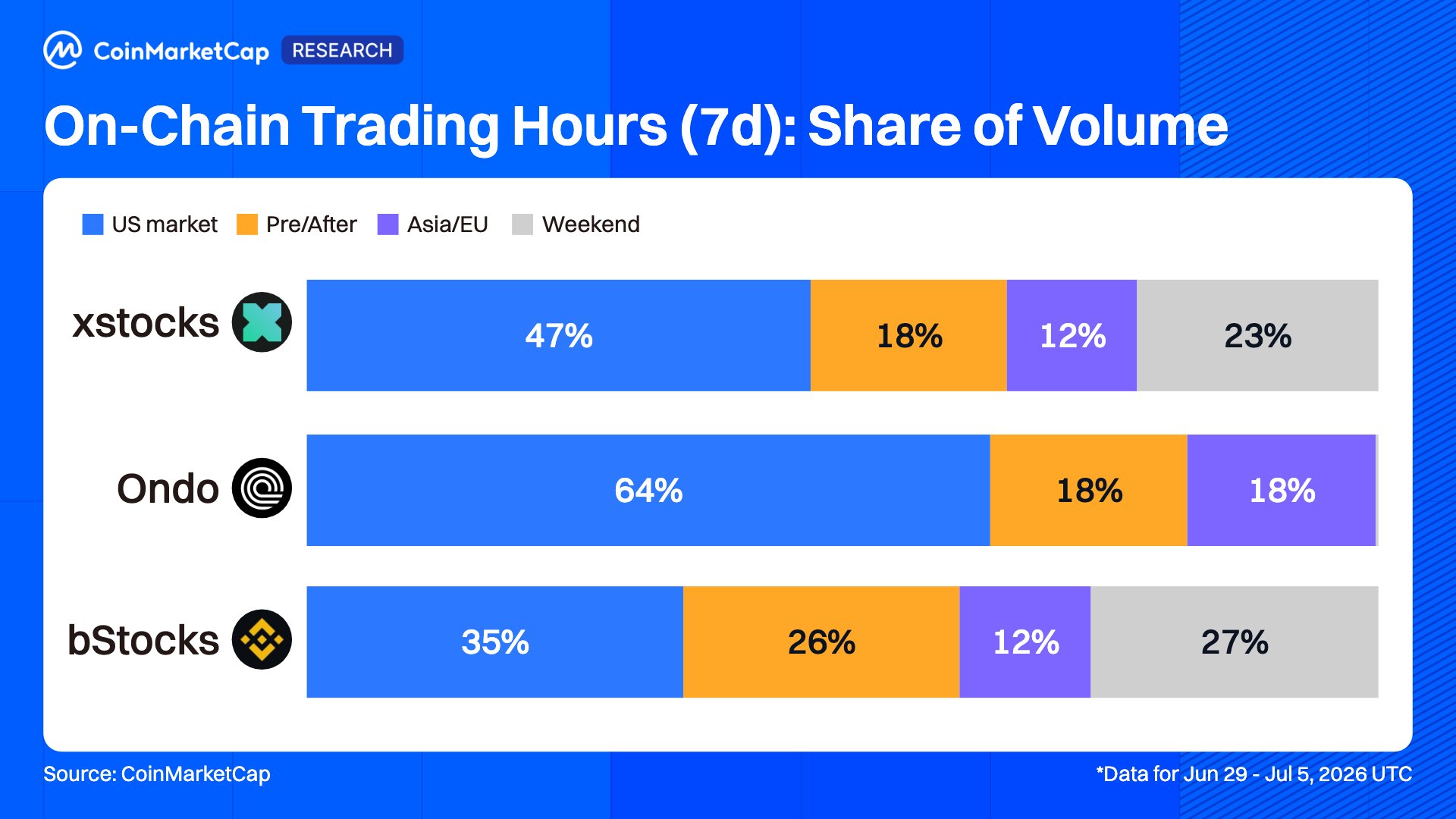 2 0 811 Original lesen >Trend von ONDO nach VeröffentlichungBullisch
 J.N. TA_Analyst Trader B2.47K @Jesucrypto11
 Ondo Finance DeFi_Expert Tokenomics_Expert B373.78K @OndoFinance1.02K 66 61.23K Original lesen >Trend von ONDO nach VeröffentlichungBullisch
- 2xnmore FA_Analyst OnChain_Analyst B45.21K @2xnmoreOndo Finance DeFi_Expert Tokenomics_Expert B373.78K @OndoFinance1.02K 66 61.23K Original lesen >Trend von ONDO nach VeröffentlichungBullisch
 Umair Orakzai TA_Analyst Trader B34.02K @Umairorkz
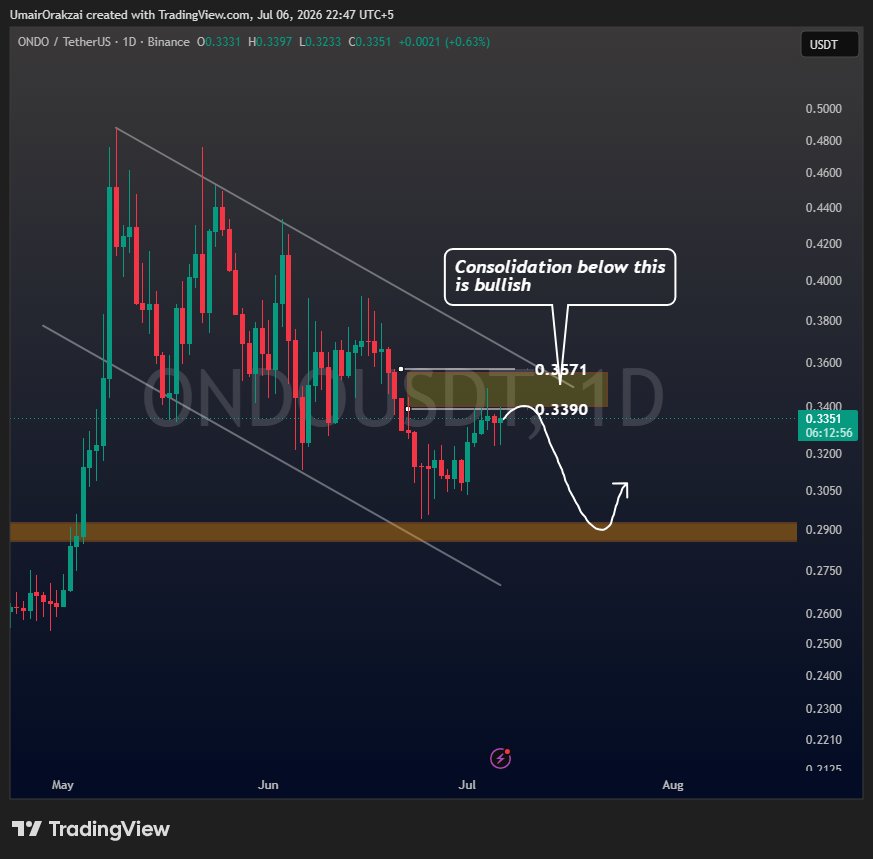 Umair Orakzai TA_Analyst Trader B34.02K @Umairorkz
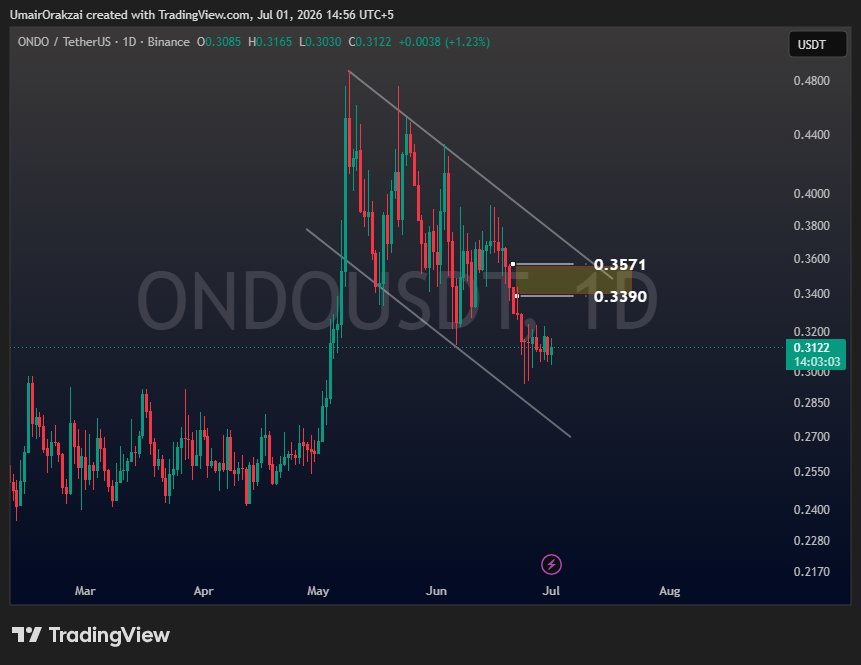 25 5 7.00K Original lesen >Trend von ONDO nach VeröffentlichungBullisch
 BSCN Media C1.36M @BSCNews
 Ondo Finance DeFi_Expert Tokenomics_Expert B373.78K @OndoFinance216 16 17.40K Original lesen >Trend von ONDO nach VeröffentlichungBullisch
- Trend von ONDO nach VeröffentlichungExtrem bullisch
- Trend von ONDO nach VeröffentlichungExtrem bullisch
- Trend von ONDO nach VeröffentlichungExtrem bullisch
- Trend von ONDO nach VeröffentlichungNeutral