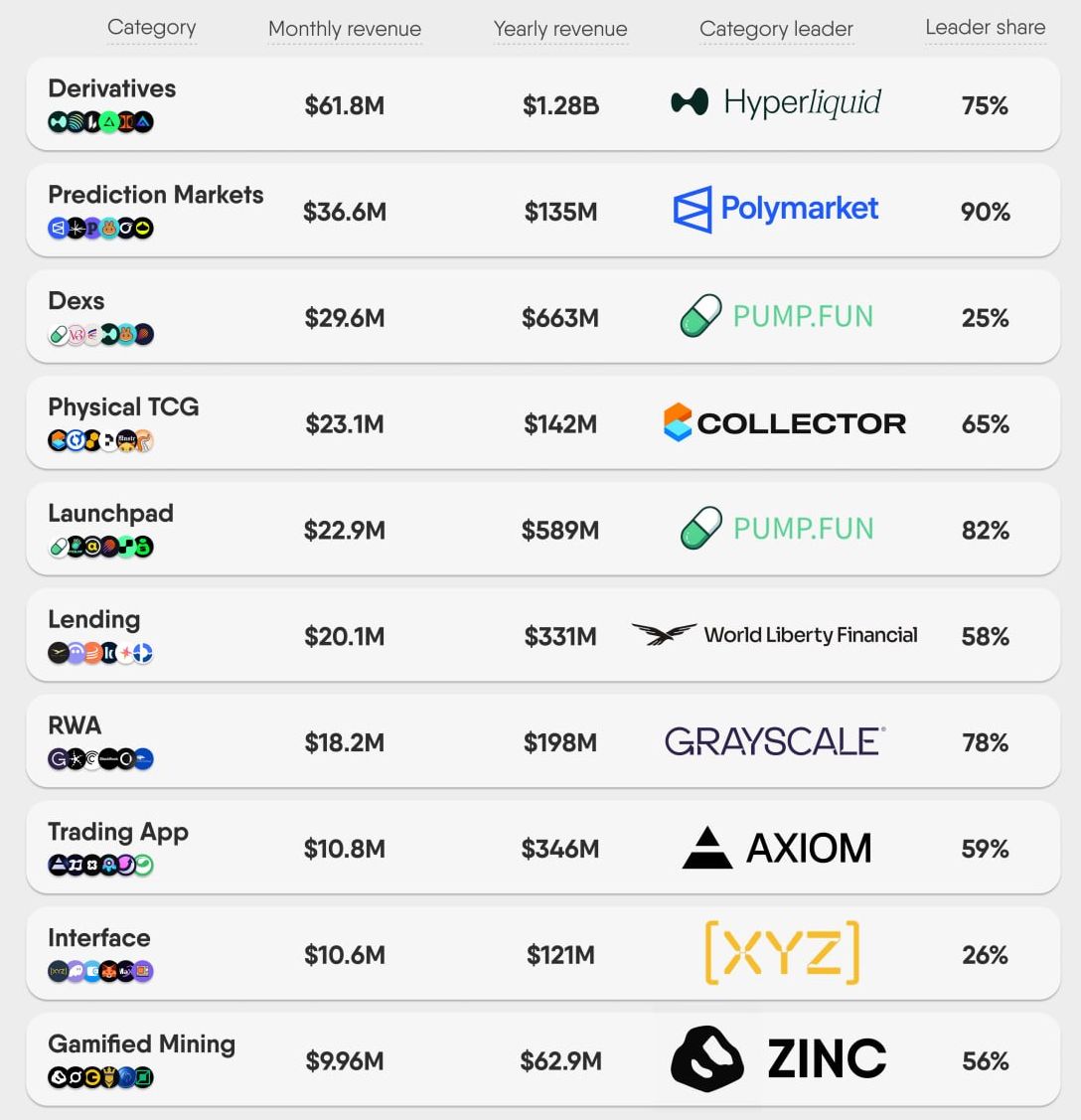
From a monster airdrop to ending the year as the #4 revenue machine in crypto ($650M+ generated and 70% of all perps volume at peak),
Hyperliquid didn’t just grow in 2025 — it conquered.
Here’s exactly how they pulled it off (and why 2026 will be the real test) 👇
~~ Analysis by @davewardonline ~~
Q1 2025: The Crypto-Native Advantage
Hyperliquid's year of breakneck growth kicked off with a reminder of what it means to truly have your finger on the pulse.
When TRUMP launched in January, Hyperliquid had perps go live almost immediately, beating other exchanges to the punch and beginning its streak as the place for pre-launch tokens. It was able to move quickly because it stands somewhat unimpeded by corporate guardrails, but a significant element was being emphatically "in the know," spotting opportunities due to its team being tightly interwoven with the goings-on onchain.
February brought the HyperEVM launch, the general-purpose smart contract layer built on top of HyperCore. While it took time to find its footing, it did so without any top-down incentive programs, building a core user base who believed in the chain's vision rather than just extracting incentives.
Q2 2025: Breaking Out
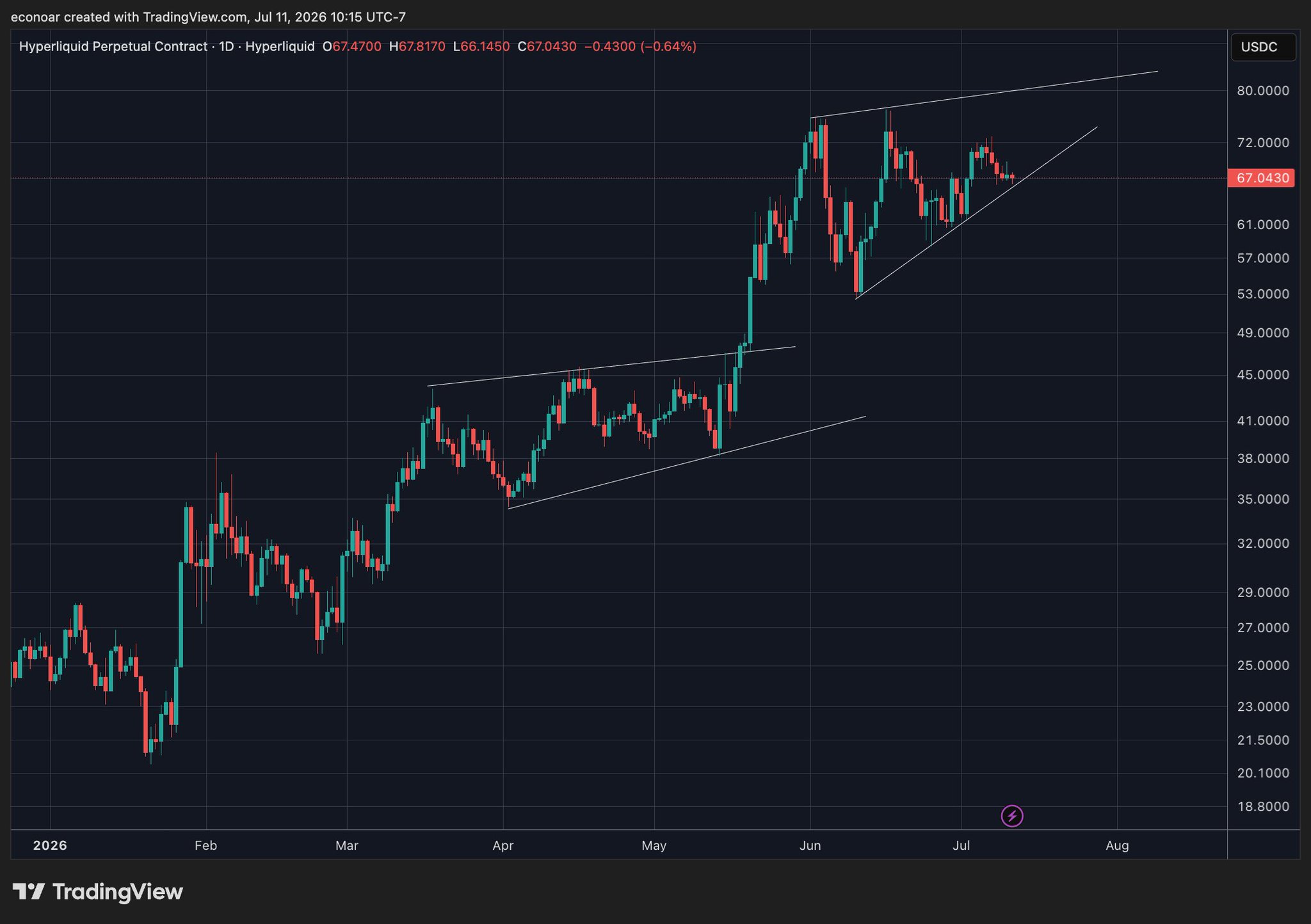
Traction came faster than most expected. Beyond HYPE climbing nearly 4x off its April lows, by May Hyperliquid commanded 70% of all onchain perps volume, a staggering figure for a platform with zero VC backing and no token incentives.
As the market roared back, Hyperliquid's smooth UX and deep liquidity captured the order flow, with total volume climbing to $1.5T. The HyperEVM hit its stride alongside, growing TVL from $350M in April to $1.8B by mid-June as projects launched through @kinetiq_xyz, @felixprotocol, and @liminalmoney, all while burning HYPE in the background.
Amid this growth, Hyperliquid seemed to be everywhere. Publicized on national TV. Profiled by Bloomberg. At the center of policy conversations with the CFTC.
Q3 2025: Peak Momentum & Splintering Begins
Q3 opened with a signal that Hyperliquid's infra was becoming essential outside its own ecosystem.
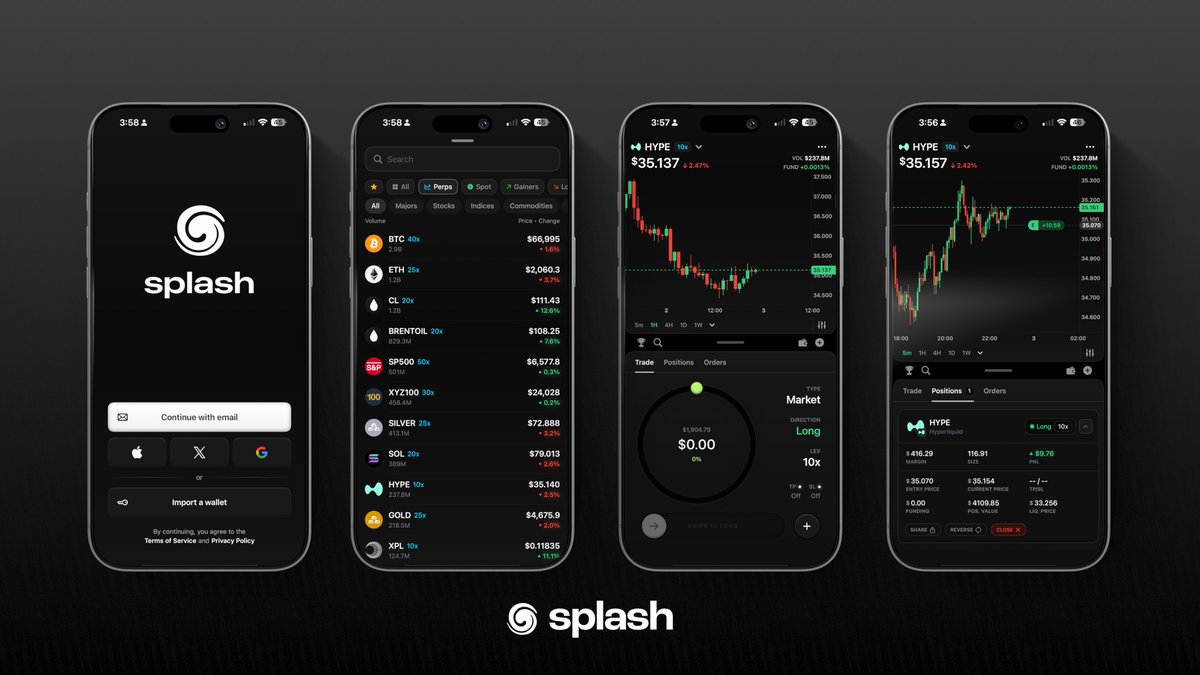
@phantom Wallet integrated Hyperliquid via builder codes, Hyperliquid's mechanism for letting external platforms earn fees on trades they route to HyperCore. @Rabby_io followed. Then @MetaMask. A myriad of mobile trading apps went live on builder codes. "Partners" have earned nearly $50M in fees through these integrations, routing $158B in volume.
Then, in September, came the USDH bidding war, revealing just how valuable Hyperliquid had become.
The problem was simple: Hyperliquid held ~8% of Circle's USDC supply in its bridge, leaking roughly $100M annually to Coinbase while seeing none of that yield recycled into its own ecosystem. A native stablecoin would fix that, potentially redirecting $200M in annual revenue back to Hyperliquid.
Heavyweights threw their names in. Ethena offered $75M in growth commitments. Paxos dangled PayPal and Venmo integrations. But @nativemarkets won, a team led by HYPE contributor @fiege_max, former Uniswap Labs COO @Mclader, and Paradigm researcher @_anishagnihotri. Why? They fit the ethos: bootstrapped, aligned, and ready to build something organic.
The ripple effects extended beyond Hyperliquid. MegaETH announced its own native stablecoin initiative shortly after. Sui followed suit in November.
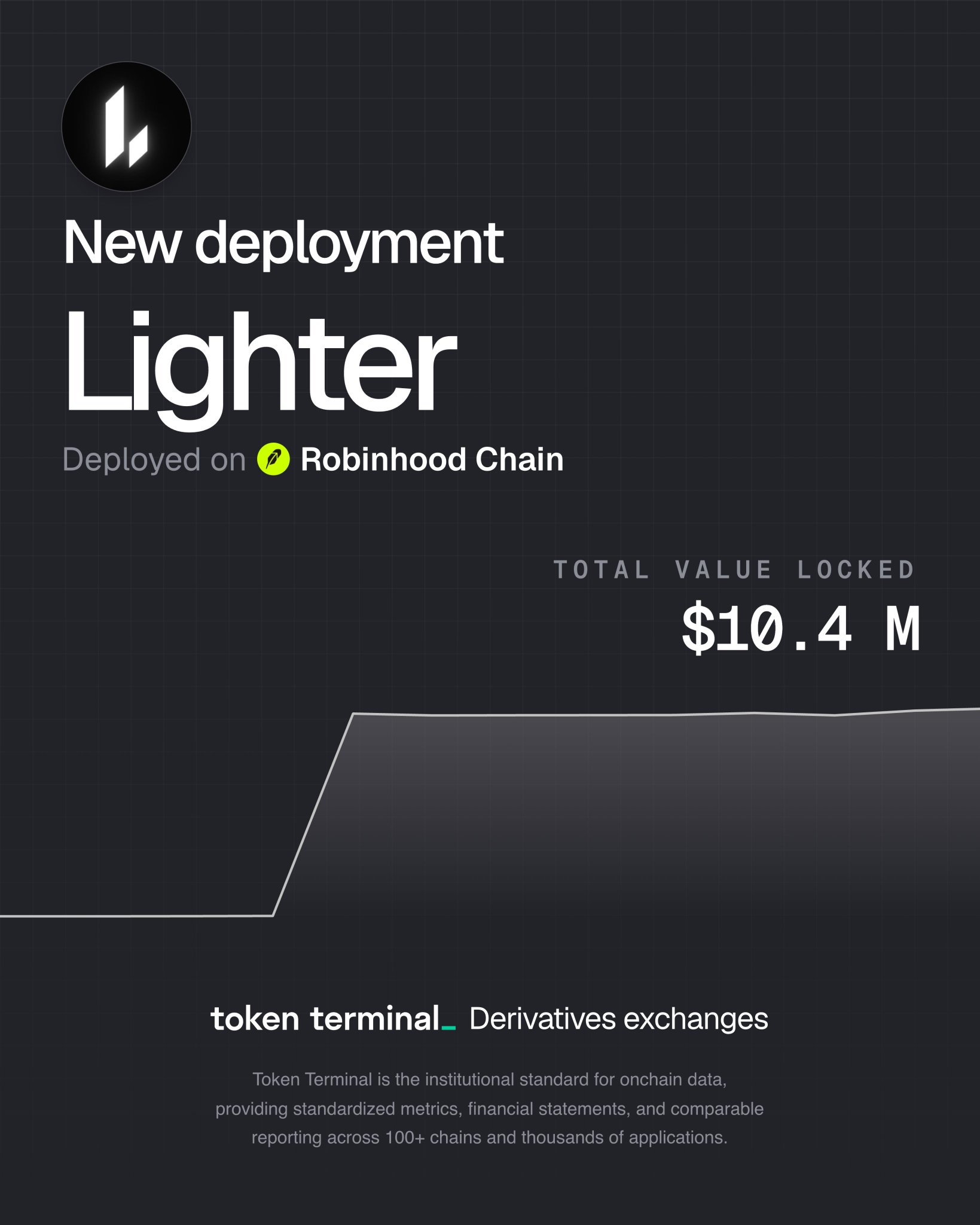
Yet USDH also marked HYPE's peak in mid-September, and the moment competition began to bite. Aster and Lighter both launched with aggressive airdrop campaigns. Hyperliquid's market share splintered, sitting at 17.1% at time of writing.
Q4: Maturation & Growing Pains
In October, HIP-3 went live, opening permissionless listings on HyperCore and advancing both the exchange's expansion and its decentralization.
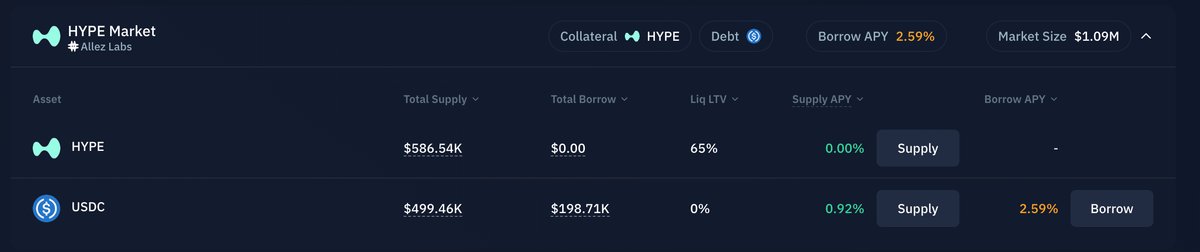
Anyone who stakes 500K HYPE could now deploy custom markets such as equity perpetuals, markets using yield-bearing collateral from Ethena, or markets for synthetic exposure to private companies from @ventuals.
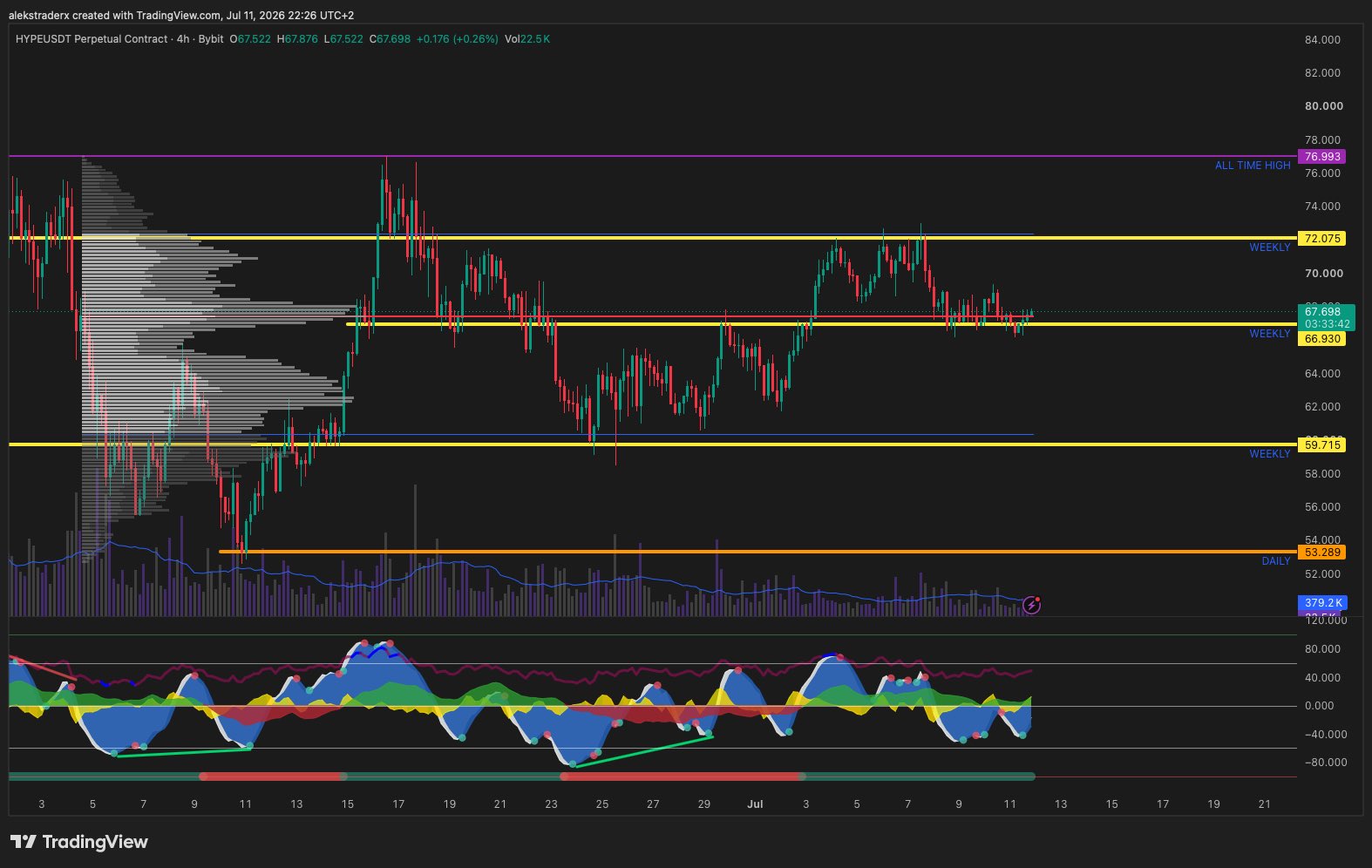
Yet, despite HIP-3's launch, HYPE price has dropped nearly 50% from its September peak. Besides market conditions and competition, two developments stand out.
First, the quarter brought Hyperliquid's first ADL (Automatic De-Leveraging) event in over two years. During October 10's market breakdown, over-leveraged positions ran out of margin faster than the liquidation system could absorb. The protocol triggered auto-deleveraging over 40 times in a 12-minute span. While the system stayed solvent, Hyperliquid will likely need time to recover from the event.
Then, in November, team token unlocks began. Despite lower-than-expected totals, this vesting is likely contributing to HYPE's underperformance. Selling was minimal, only 23% went to OTC desks while 40% was re-staked, but the pace of future unlocks remains unclear. From a protocol that's stood out by being transparent, this lack of clarity is likely causing market unease.
The Perps Proving Ground
While the market and trading activity are down, it's important not to discount how much the perps landscape has evolved alongside Hyperliquid itself.
@Lighter_xyz and @Aster_DEX offer real alternatives. Offchain, Coinbase's perps offerings will soon be joined by Robinhood. More competitors will emerge as perpetuals continue going mainstream.
Hyperliquid is in the midst of its proving ground and will continue to be in 2026. The question isn't whether it had a remarkable 2025, it certainly did. The question is whether the exchange can demonstrate that its model remains superior as the field gets crowded.
What got them here was building a better product and ecosystem without shortcuts. What keeps them there will be doing it again.