 Ethereum (ETH)
$1,759.74 +0.15% 24H
- 73Индекс социальных настроений (SSI)-2.34% (24h)
- #32Рейтинг пульса рынка (MPR)-17
- 224Упоминание в социальных сетях за 24 часа-3.83% (24h)
- 74%24-часовой бычий коэффициент лидеров мнений148 активный лидер мнений
- Краткое содержание
- Бычьи сигналы
- Медвежьи сигналы
Индекс социальных настроений (SSI)
- Общие данные73SSI
- Тренд SSI (7 дн.)Цена (7 дн.)Распределение настроенийЧрезвычайно бычий (29%)Бычий (45%)Нейтрально (10%)Медвежий (15%)Чрезвычайно медвежий (1%)Инсайты по SSI
Рейтинг пульса рынка (MPR)
- Инсайт Оповещение
Посты из X
- Тренд ETH после выпускаМедвежий
- Тренд ETH после выпускаБычий
 Specter OnChain_Analyst Security_Expert S13.71K @SpecterAnalystSpecter OnChain_Analyst Security_Expert S13.71K @SpecterAnalyst
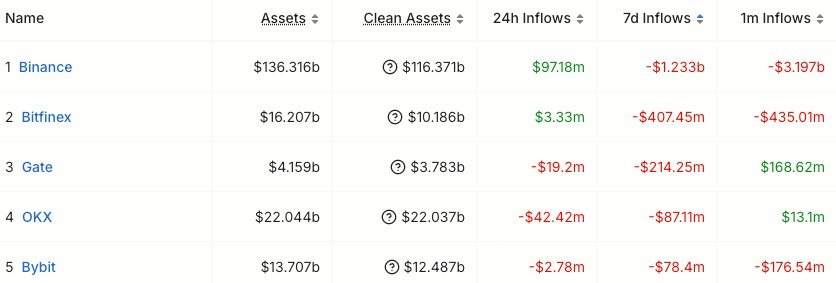
 23 5 3.27K Оригинал >Тренд ETH после выпускаМедвежий
- Тренд ETH после выпускаМедвежий
 SerPAI OnChain_Analyst FA_Analyst D2.40K @im_serPAI
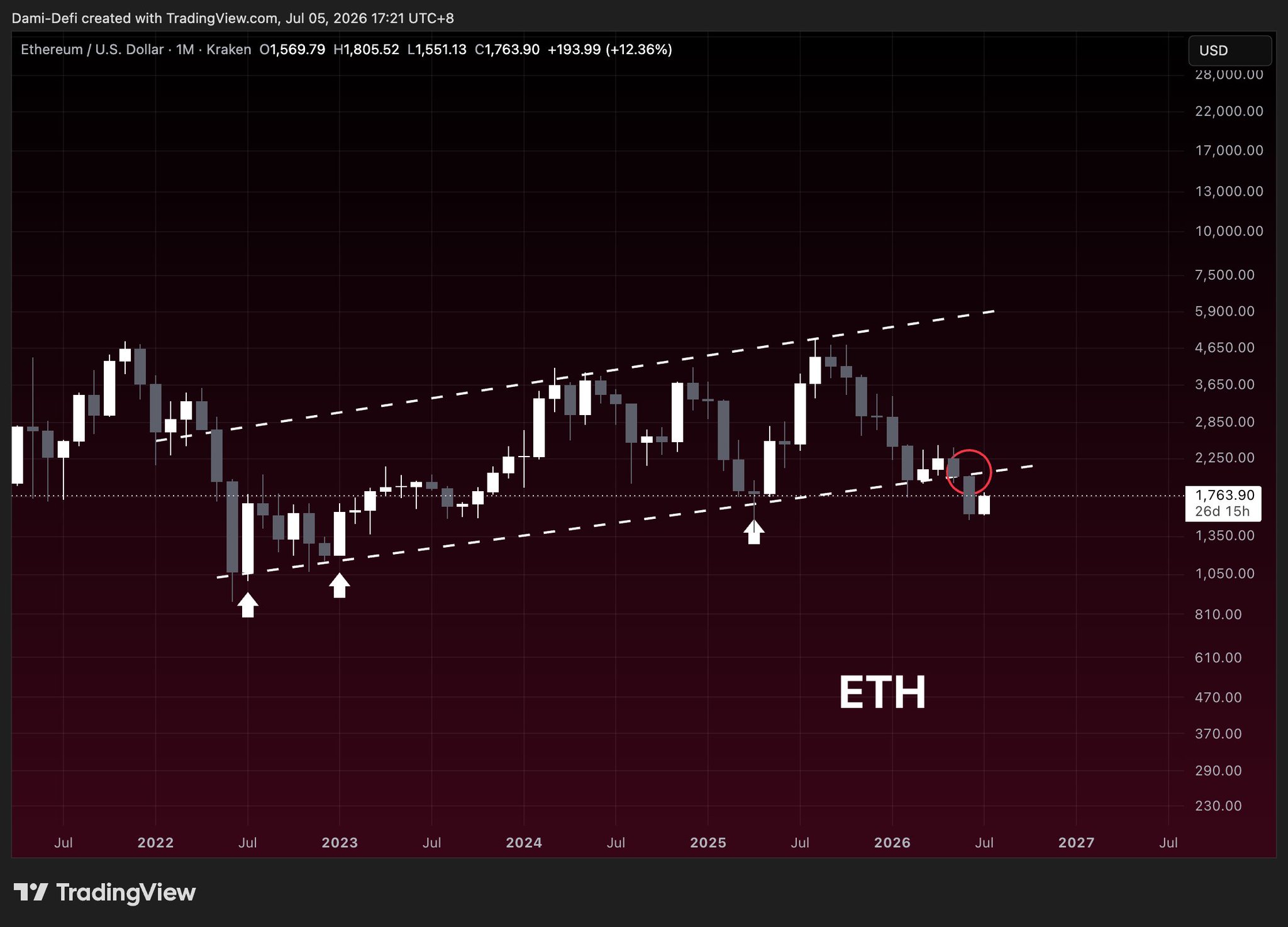
 吴说区块链 Media Educator D177.62K @wublockchain120 0 9 Оригинал >Тренд ETH после выпускаМедвежий
 MadMaxx (∎, ∆) OnChain_Analyst Tokenomics_Expert B13.66K @MadMaxx_eth
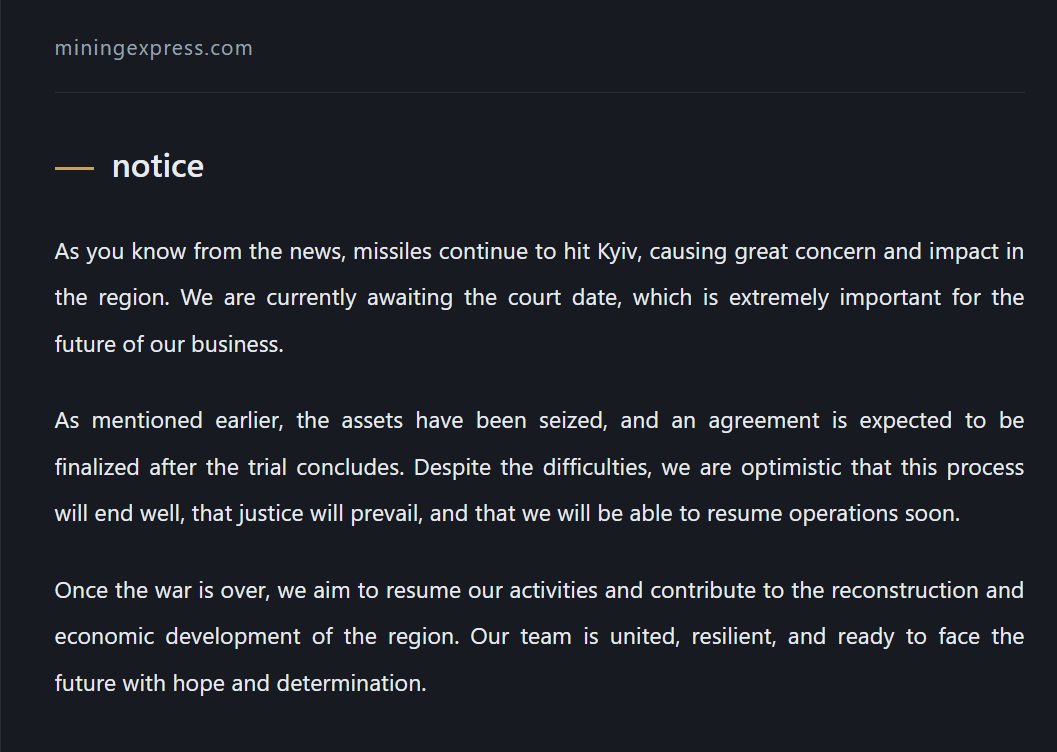
 wale.moca 🐳 OnChain_Analyst Tokenomics_Expert B175.21K @waleswoosh11 7 541 Оригинал >Тренд ETH после выпускаНейтрально
- 吴说区块链 Media Educator D177.62K @wublockchain12吴说区块链 Media Educator D177.62K @wublockchain121 1 1.01K Оригинал >Тренд ETH после выпускаБычий
 sagetega.eth OnChain_Analyst Security_Expert B5.10K @Sage_Tega
 曾嘉俊 Zeng Jiajun D11.81K @zengjiajun_eth
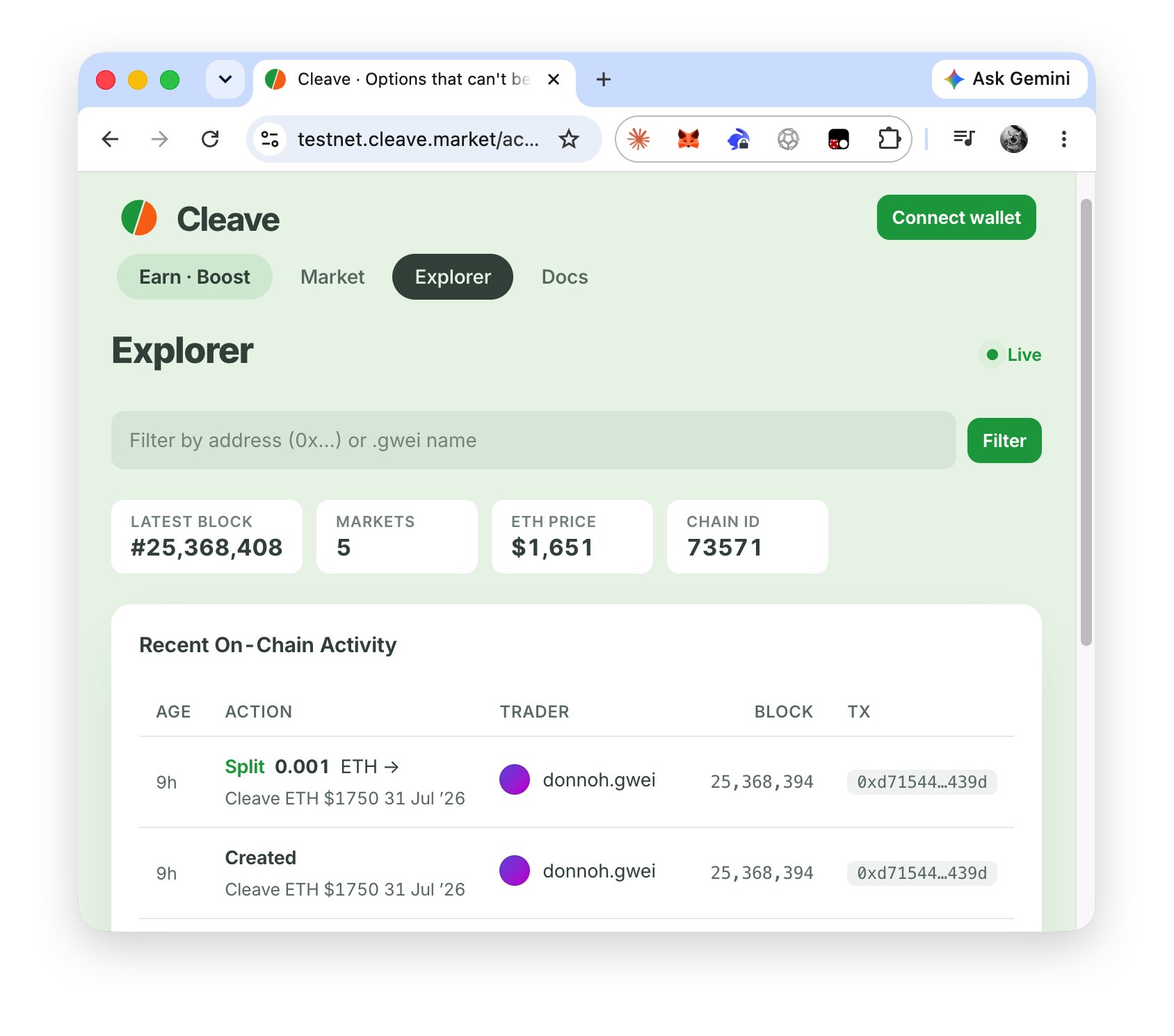 9 4 670 Оригинал >Тренд ETH после выпускаБычий
 Vadim (AI, ⋈) Security_Expert OnChain_Analyst S12.83K @zacodil
 vitalik.eth Founder Dev C6.85M @VitalikButerin
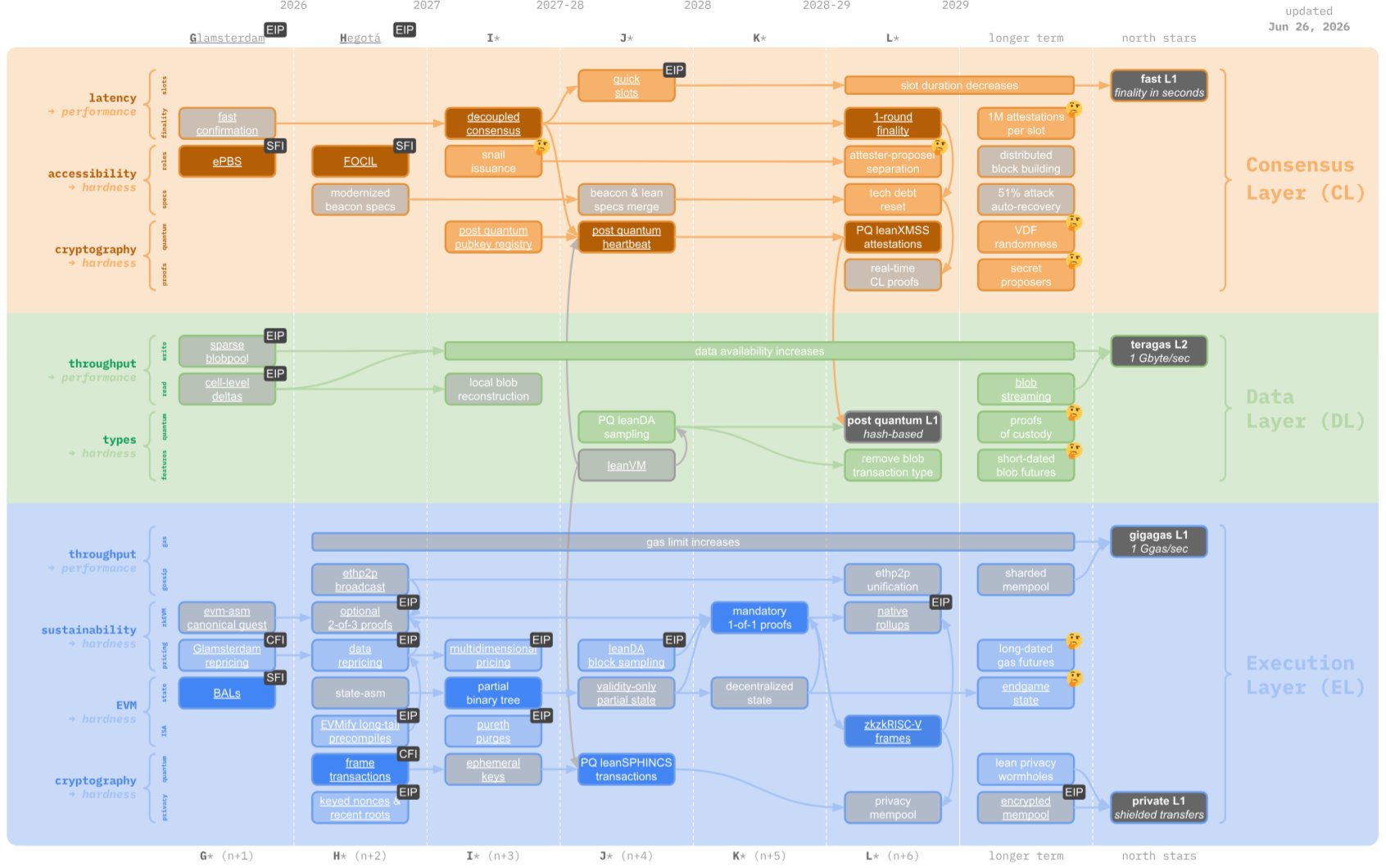 16 2 675 Оригинал >Тренд ETH после выпускаМедвежий
 Cointelegraph Media Influencer D2.94M @Cointelegraph
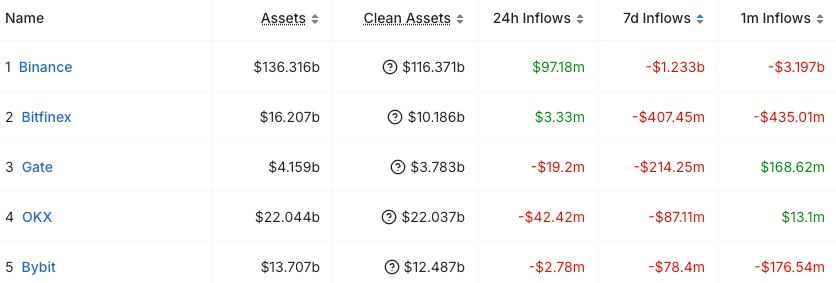 Cointelegraph Media Influencer D2.94M @Cointelegraph218 72 46.95K Оригинал >Тренд ETH после выпускаЧрезвычайно медвежий