 Starknet (STRK)
$0.03086 +1.11% 24H
- 58ソーシャル・センチメント・インデックス(SSI)+55.80% (24h)
- #127マーケット・パルス・ランキング(MPR)-3
- 424時間ソーシャルメンション+100.00% (24h)
- 100%24時間のKOL強気比率1人のアクティブなKOL
- 概要
- 強気のシグナル
- 弱気のシグナル
ソーシャル・センチメント・インデックス(SSI)
- データ全体58SSI
- SSIトレンド(7日間)価格(7日間)センチメントの分布非常に強気 (50%)強気 (50%)SSIインサイト
マーケット・パルス・ランキング(MPR)
- アラートインサイト
Xへの投稿
 Brother Hieuvu 🥷 Influencer Educator B6.06K @hieuvuethBrother Hieuvu 🥷 Influencer Educator B6.06K @hieuvueth
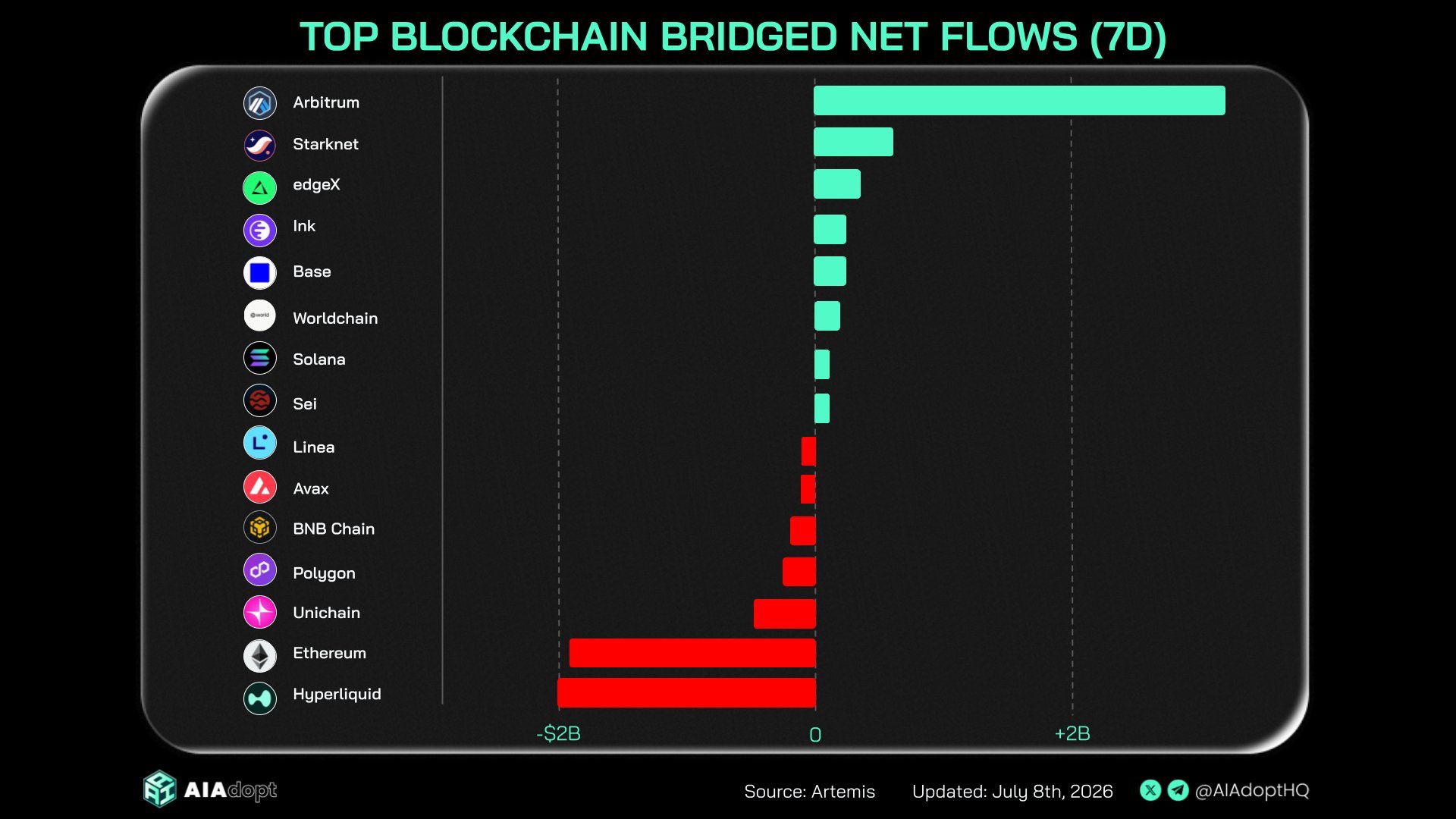 11 0 222 オリジナル >リリース後のSTRKのトレンド非常に強気
- リリース後のSTRKのトレンド強気
- Brother Hieuvu 🥷 Influencer Educator B6.06K @hieuvueth
 StarkWare 🥷 D234.31K @StarkWareLtd
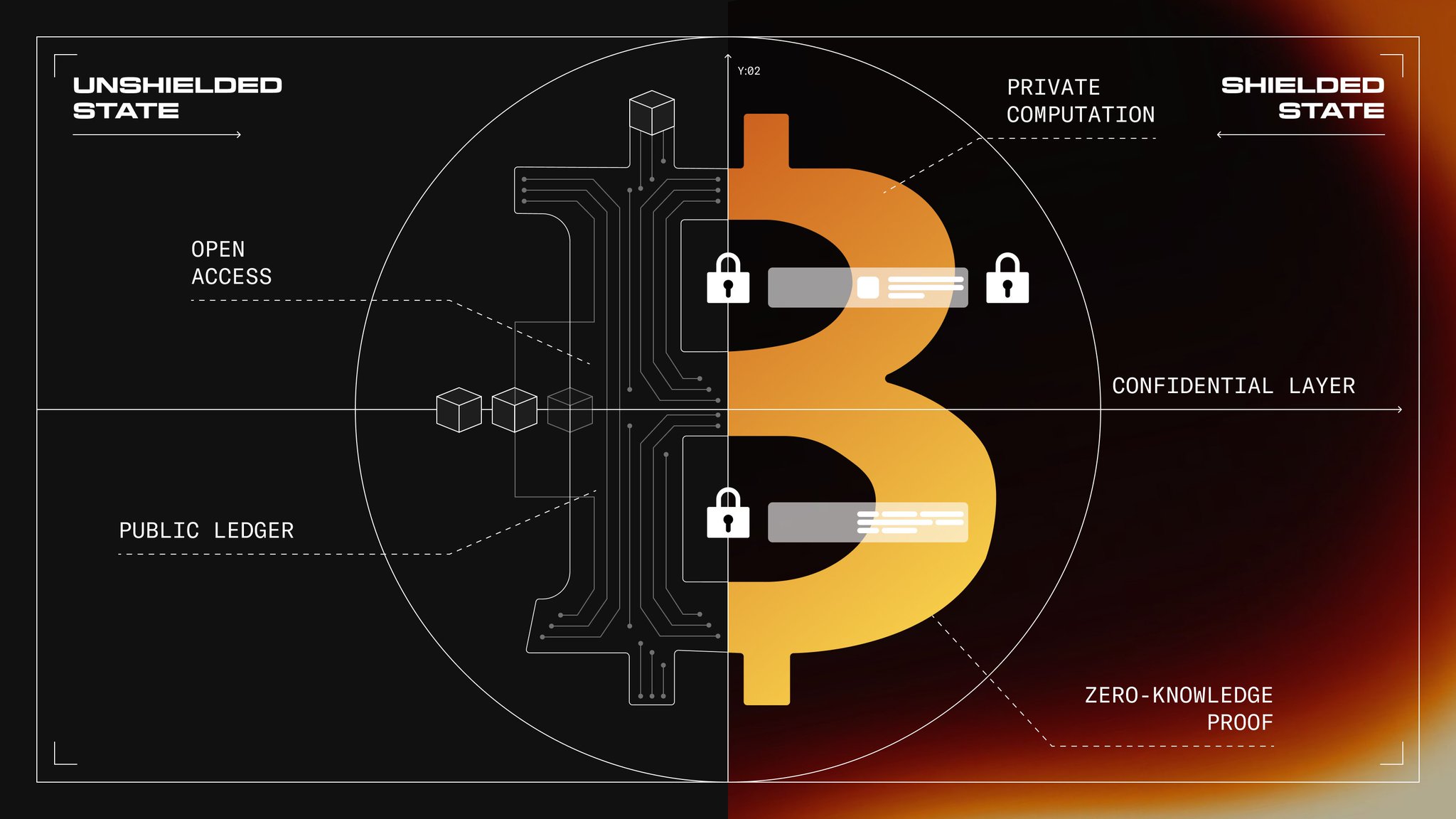 8 1 235 オリジナル >リリース後のSTRKのトレンド非常に強気
 - Brother Hieuvu 🥷 Influencer Educator B6.06K @hieuvueth
 Brother Odin 🥷🏽 D37.88K @odin_free38 4 1.72K オリジナル >リリース後のSTRKのトレンド強気
 - Brother Hieuvu 🥷 Influencer Educator B6.06K @hieuvueth
 Eli Ben-Sasson | Starknet.io D53.07K @EliBenSasson110 15 6.44K オリジナル >リリース後のSTRKのトレンド強気
 - Brother Hieuvu 🥷 Influencer Educator B6.06K @hieuvuethStarkWare 🥷 D234.31K @StarkWareLtd7 2 333 オリジナル >リリース後のSTRKのトレンド強気
- Brother Hieuvu 🥷 Influencer Educator B6.06K @hieuvueth
 Starknet (Privacy Arc) D349.54K @Starknet
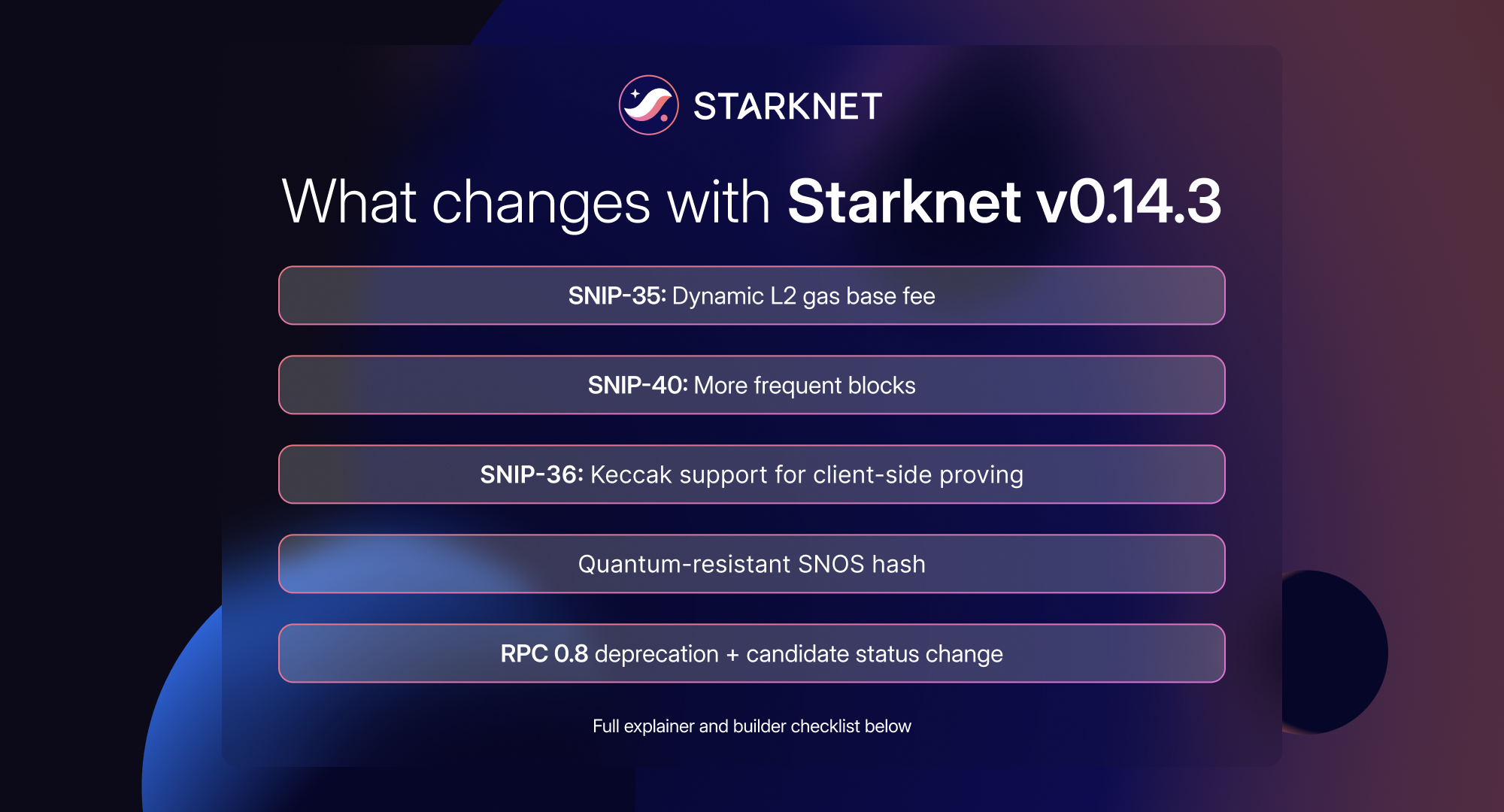 4 1 309 オリジナル >リリース後のSTRKのトレンド強気
  merp Derivatives_Expert Tokenomics_Expert B47.00K @0xMerp
 Extended D29.46K @extendedapp274 24 53.90K オリジナル >リリース後のSTRKのトレンド強気
- Brother Hieuvu 🥷 Influencer Educator B6.06K @hieuvuethBrother Hieuvu 🥷 Influencer Educator B6.06K @hieuvueth14 1 294 オリジナル >リリース後のSTRKのトレンド強気
- Brother Hieuvu 🥷 Influencer Educator B6.06K @hieuvuethStarkWare 🥷 D234.31K @StarkWareLtd9 0 306 オリジナル >リリース後のSTRKのトレンド強気