Every Rollup should ultimately use ZK, just to varying degrees.
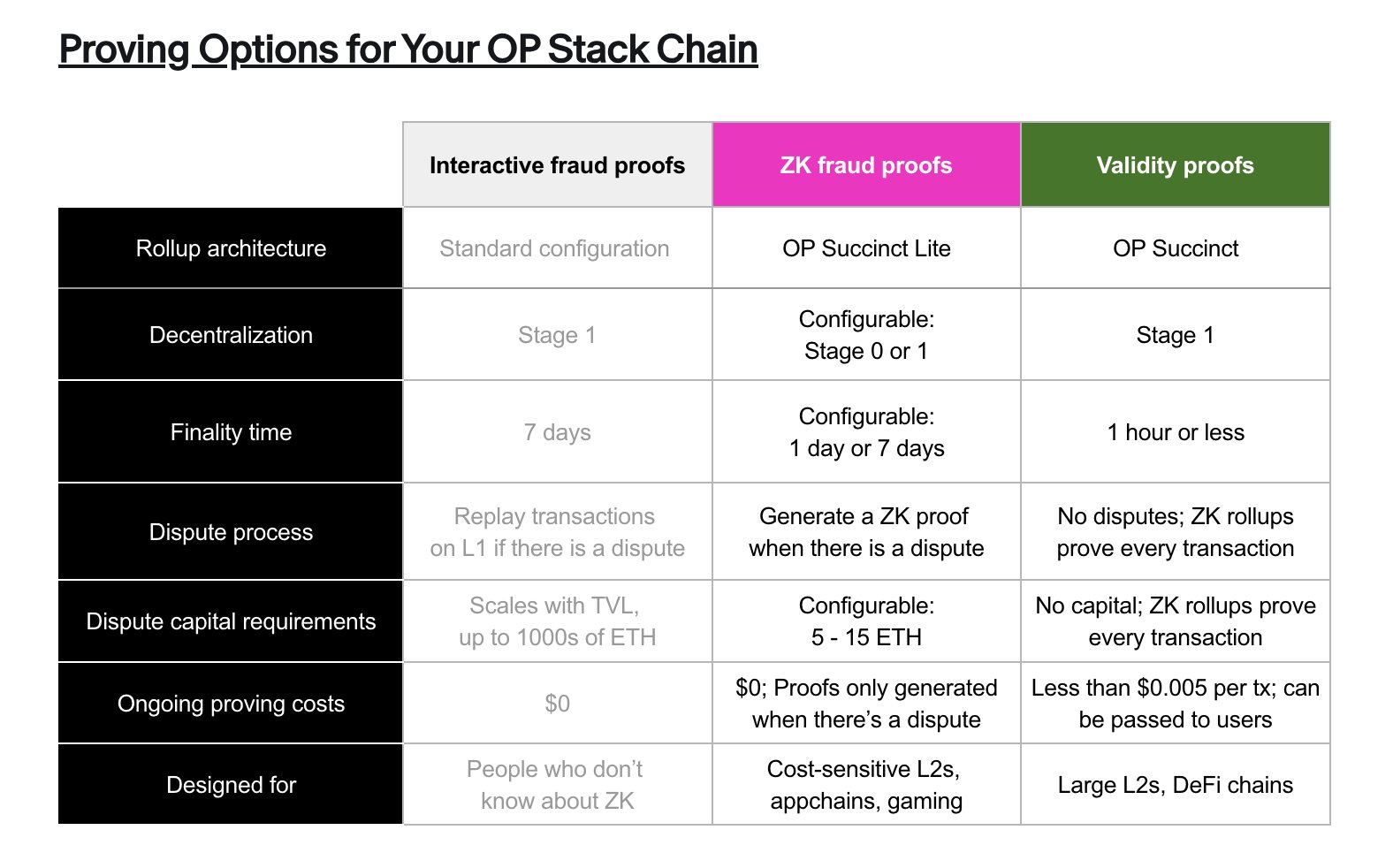
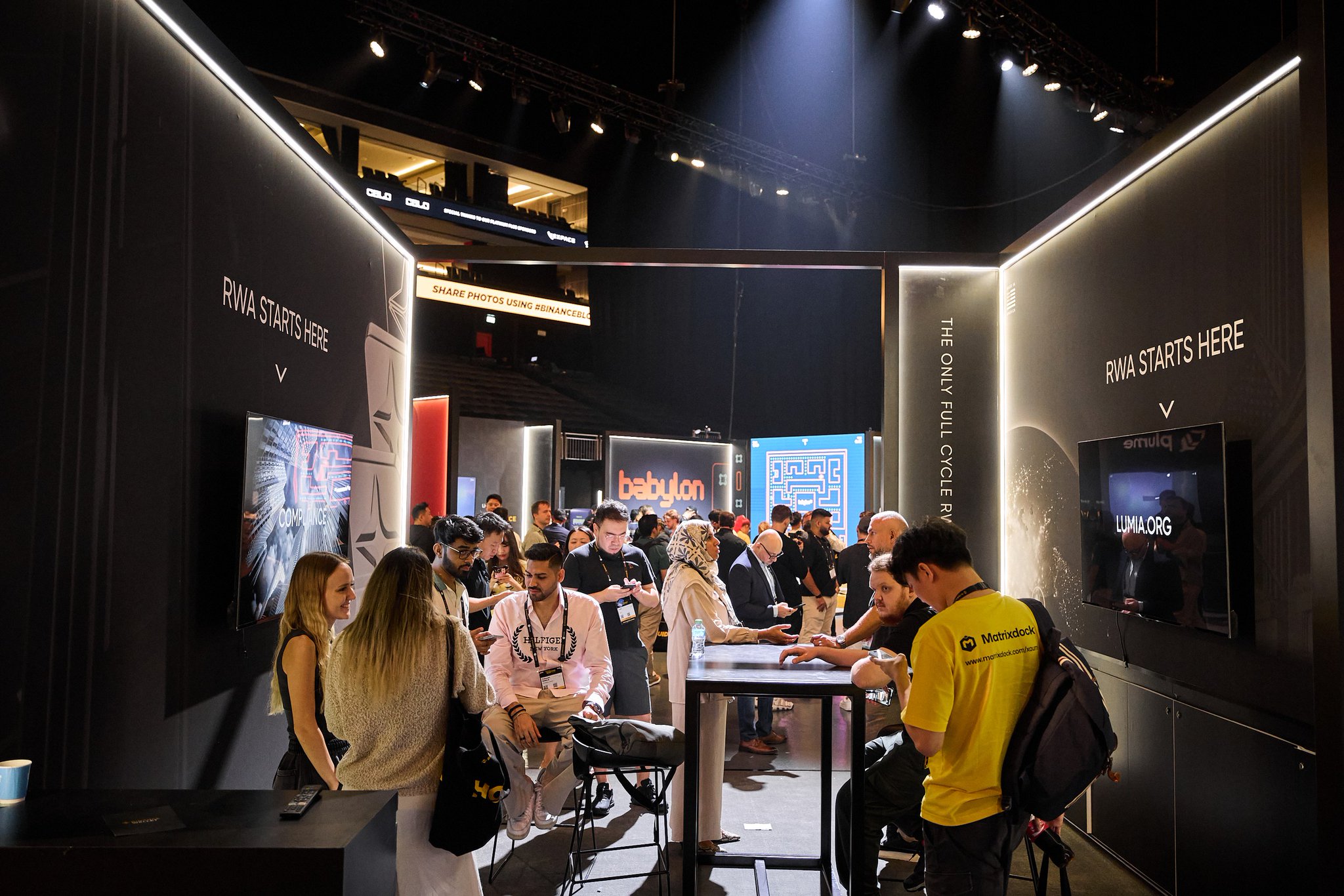
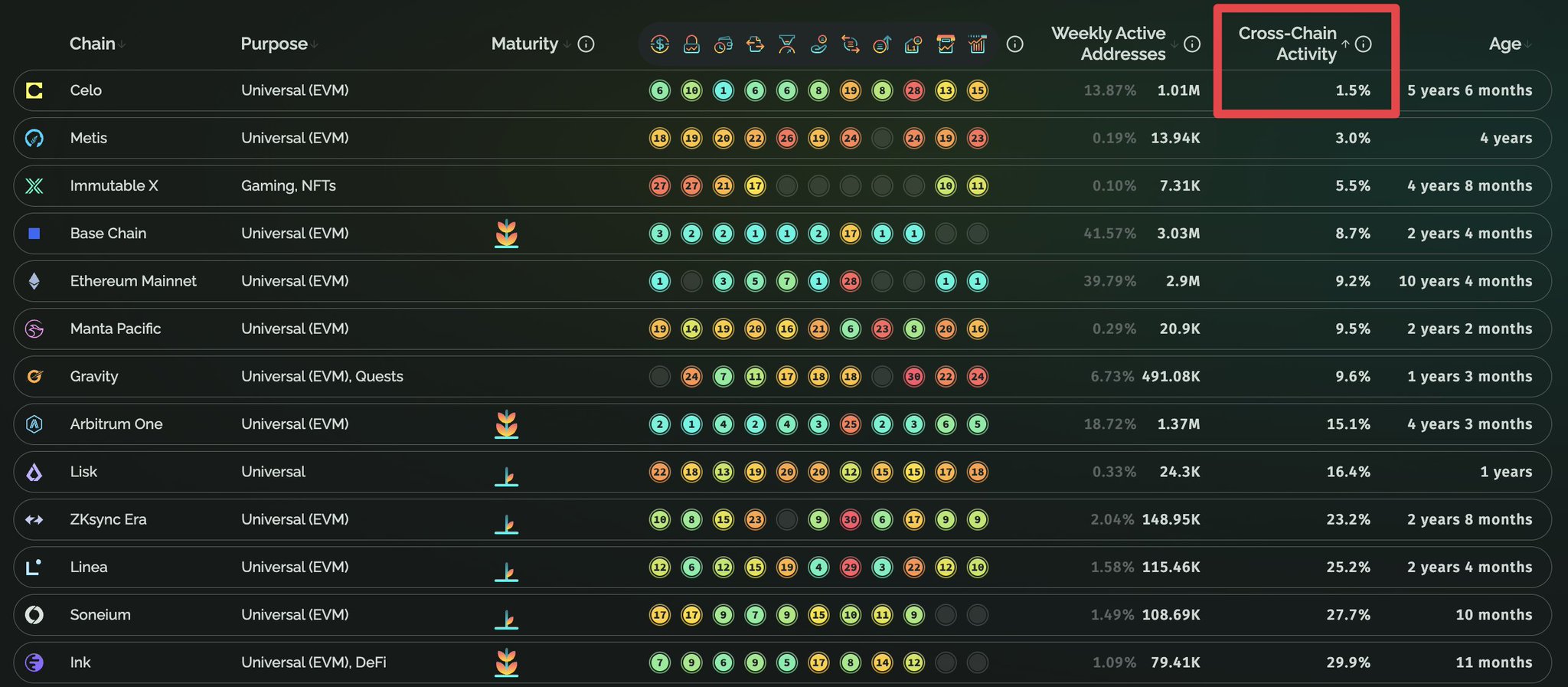
For example, after Celo migrated to L2 OP Stack, it adopted Succinct's OP Succinct Lite. This technology is very suitable for Rollups within the current OP architecture, and the most obvious improvement is that the challenge period can be reduced to under 7 days, with a minimum of 24 hours.
Its principle is to use ZK only during disputes, rather than turning the entire Rollup into a ZK Rollup.
The benefit is that it reduces the waiting time for withdrawals, while the project does not have to change the existing architecture, nor does it need to continuously pay ZK verification costs. It only needs to generate a ZK proof during a dispute, and a single verification ends the process. Therefore, it retains the low-cost characteristics of Optimistic Rollup while achieving dispute resolution efficiency comparable to ZK Rollup.
However, OP Succinct Lite is still applied to the Optimistic model and needs to retain the challenge window, so it cannot reduce the challenge period to the extreme.
Traditional Optimistic Rollup generally requires a 7‑day challenge period, which involves a “dispute game”. This is a game of challenging and proving errors, and it needs to give any potential challenger sufficient time to check the state and initiate a dispute. Moreover, it is a multi‑round battle process, with multiple back‑and‑forth exchanges between the Proposer and the Challenger, and each round must be submitted to L1. Therefore, it is a slow and complex “multi‑round battle”.
The design of OP Succinct Lite is that after a dispute occurs, the Proposer only needs to generate a ZK proof once, and the smart contract can verify it in a single step to reach a decision. It does not need to wait for multiple rounds of battle or L1 confirmation, and the overall complexity is greatly reduced.
However, this time cannot be shortened to the level of a full ZK Rollup because it needs to satisfy at least two time windows: the challenge window and the proof window. The main bottleneck is the proof window. Although SP1 and other zkVMs are fast, proving a state transition function still takes tens of minutes to several hours, and submitting a challenge also requires sufficient time. Therefore, 1 day is currently the shortest finality configuration officially supported.
From a long‑term perspective, ZK is an ultimate solution, and this has a consensus foundation. The Optimistic model cannot provide a single proof for all information; it works by incremental checks, and when a dispute occurs, transactions must be replayed on L1, so its finality inherently depends on the challenge period, which must exist. Therefore, pure ZK immediacy can never be achieved. Pursuing fast and efficient finality will ultimately require a ZK solution.
However, at present the vast majority of mainstream Rollups (such as Arbitrum, Base, etc.) have already adopted the Optimistic architecture. They started early and have captured market share, making migration difficult. Therefore, solutions like OP Succinct Lite provide an intermediate form that can acquire ZK capability without a full redesign, avoiding the need to choose exclusively between ZK and Optimistic.
 CELO (CELO)
 Ethereum Influencer Researcher D4.03M @ethereum
 Celo.eth/acc 🦇 🌳 D512.19K @Celo158 18 175.38K Original >Tendencia de CELO tras el lanzamientoAlcista
 YashasEdu DeFi_Expert Researcher B8.54K @YashasEdu
 Keno DeFi_Expert Educator A8.67K @kenodnb
 87 50 3.88K Original >Tendencia de CELO tras el lanzamientoExtremadamente alcista
 2Lambroz 🐑 (🧑🍳🥩🤌) Tokenomics_Expert Trader C32.26K @2lambro
 f1go.eth FA_Analyst OnChain_Analyst B6.47K @FigoETH
 matze | growthepie 🥧 D1.83K @web3_data
 61 8 4.22K Original >Tendencia de CELO tras el lanzamientoNeutral